Buy immobilieninvestors.eu ?
We are moving the project
immobilieninvestors.eu .
Are you interested in purchasing the domain
immobilieninvestors.eu ?
domain@kv-gmbh.de · 0541-91531010
Buy immobilieninvestors.eu ?
Do APS-C lenses have a future?
Yes, APS-C lenses do have a future as they are specifically designed for APS-C sensor cameras, which are popular among both amateur and professional photographers. These lenses offer a more compact and lightweight option compared to full-frame lenses, making them ideal for travel and everyday use. Additionally, camera manufacturers continue to release new APS-C sensor cameras, ensuring a demand for compatible lenses in the market. **
What is the transition from MFT to APS-C?
The transition from MFT (Micro Four Thirds) to APS-C involves moving from a smaller sensor size to a larger one. APS-C sensors are typically larger than MFT sensors, which can result in improved image quality, especially in low light conditions. Additionally, APS-C cameras often have better autofocus performance and a wider range of lenses available. However, the trade-off is that APS-C cameras and lenses are generally larger and heavier than their MFT counterparts. Overall, the transition from MFT to APS-C can result in better image quality and performance, but with the downside of increased size and weight. **


Similar search terms for APS-C
Top-Angebote
Products related to APS-C:
-
J H Haynes & Co Ltd Haynes Property Manual 3 Books Collection Set Home Extension The Victorian House Period PropertyTitles In this Set: The Victorian House Manual Home Extension Period Property The Victorian House Manual The Victorian House Manual (2nd Edition): How They Were Built, Improvements & Refurbishment, Solutions to All Common Defects Thinking of buying a Victorian or Edwardian house? Or maybe you already own one? Either way, this clearly written manual explains all you need to know about the care and repair of these classic properties. Today, many houses of this age are in need of extensive updating and maintenance, having suffered years of neglect. Some have been damaged by misguided home improvements or botched repairs using the wrong materials. Even newly refurbished properties can sometimes conceal dangerous structural alterations and shoddy build-quality. This unique manual provides detailed, expert advice, backed up with clear how to colour photographs, describing where to check for the critical danger signs and how to fix all common defects. Home ExtensionMany people are looking at ways to extend their homes rather than move house, but `getting the builders in' can be a recipe for disaster unless you really know what you are doing. Whether you plan to employ a building contractor or tackle some of the works yourself, this best-selling manual will show you how to stay firmly in control, resulting in a high-quality extension, completed on time and within budget. This new edition will include all the up-do-date information on complying with the latest Building Regs and Planning requirements, CAD design, energy-efficiency, under floor heating, bi-folds, liquid screeds, woodburning stoves and renewable energy. Period Property Britain has a wonderfully rich stock of period houses - everything from medieval cottages to Georgian townhouses and Edwardian mansions. But many of these historic properties are now at risk. Some are unwittingly damaged by well-meaning owners or incompetent builders; others suffer long-term deterioration where mortgage lenders have imposed quick-fix 'remedies'. Despite being some of the most sustainable buildings on the planet, many old houses are now being subjected to ill-advised works to upgrade thermal efficiency, resulting in the destruction of the very qualities that make them so appealing, slashing their values. Haynes have come to the rescue with this clearly written, lavishly illustrated manual explaining the correct approach to care and repair - covering the full range of traditional materials. Every old house has a story to tell, so Haynes also show how to explore your home's history and strip back modern finishes to reveal long lost original features. This comprehensive manual is essential reading whether you want to get your hands dirty or just want to understand how old houses work and how to go about employing specialist craftsmen.24,99 £*Shipping: 2,99 £Secure redirect to the provider
-
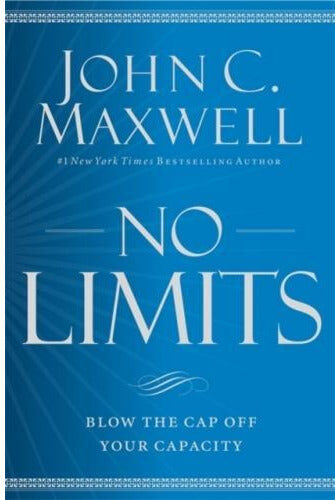
Little Brown Book Group No Limits: Blow the Cap Off Your Capacity by John C. Maxwell – Personal Growth & Leadership Development GuideNo Limits: Blow the CAP Off Your Capacity Description We often treat the word capacity as if it were a natural law of limitation. Unfortunately; most of us are much more comfortable defining what we perceive is off limits rather than what's possible. Could it be that many people have allowed what they perceive as capacity to define them? Have they allowed their perception to limit their attitudes about their potential? In his newest book; John Maxwell identifies 17 core capacities. Some of these are abilities we all already possess; such as energy; creativity and leadership. Others are aspects of our lives controlled by our choices; like our attitudes; character; and intentionality. Maxwell examines each of these 17 capacities; and provides clear and actionable advice on how you can increase your potential in each. He will guide you on how to identify; grow; and apply your critical capacities to your daily life. Once you've blown the 'cap' off your capacities; you'll find yourself more successful--and fulfilled--in your daily life.5,99 £*Shipping: 2,99 £Secure redirect to the provider
-
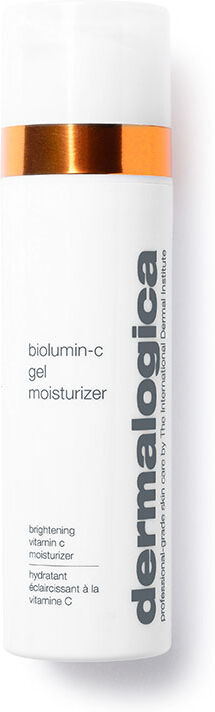
Dermalogica Biolumin-C Vitamin C Gel Moisturiser 50mlHydrate and add radiance to your skin with the daily brightening gel moisturiser. Infused with a highly stable vitamin-c rich formula, the gel moisturiser strengthens the skin's moisture barrier for long-lasting hydration and instant luminosity. Key Ingredients Ultra-stable Vitamin C complex with biotechnology - This technology recycles or reactivates the Vitamin C, increasing its potency and further enhances its penetration into the skin Squalane and five types of Hyaluronic Acid - To provide long-lasting hydration Verbascum Thapsus Flower Extract - Transforms UV rays into visible light creating instant luminosity Phytic Acid and Pumpkin Enzymes - Gently exfoliates to encourage skin cell turnover and even skin tone This easy to apply gel moisturiser has a weightless texture that gives skin the boost it needs to look healthy and refreshed. Skin is left feeling nourished, healthy and revived. Full Ingredients Water/Aqua/Eau, Glycerin, Squalane, Propanediol, Butylene Glycol, PPG-24-Glycereth-24, Jojoba Wax Peg-120 Esters, Hydroxyethyl Urea, Trehalose, Aminopropyl Ascorbyl Phosphate, Allantoin, Hyaluronic Acid, Hydrolyzed Hyaluronic Acid, Hydrolyzed Jojoba Esters, Biosaccharide Gum-1, Ethylhexylglycerin, Sodium PCA, Sodium Levulinate, Ergothioneine, Beta-Carotene, Lactobacillus Ferment, Aloe Barbadensis Leaf Juice, Camellia Sinensis Leaf Extract, Centella Asiatica Extract, Chamomilla Recutita (Matricaria) Flower Extract, Glycyrrhiza Glabra (Licorice) Root Extract, Verbascum Thapsus Extract, Lactobacillus/Pumpkin Ferment Extract, Glycine Soja (Soybean) Oil, Citrus Aurantium Dulcis (Orange) Peel Extract, Citrus Paradisi (Grapefruit) Peel Oil, Helianthus Annuus (Sunflower) Seed Oil, Citrus Aurantium Bergamia (Bergamot) Fruit Oil, Raspberry Ketone, Jasminum Sambac (Jasmine) Flower Extract, Santalum Album (Sandalwood) Oil, Daucus Carota Sativa (Carrot) Root Extract, Bisabolol, Cystine, Glycine, Dipotassium Glycyrrhizate, Hydrolyzed Glycosaminoglycans, Sodium Hyaluronate Crosspolymer, Sodium Hyaluronate, Pentylene Glycol, Caprylyl Glycol, Tocopherol, Mannitol, Tetrasodium Glutamate Diacetate, Sodium Hydroxide, Phytic Acid, Citric Acid, PEG-40 Hydrogenated Castor Oil, C12-13 Pareth-3, Xanthan Gum, Sclerotium Gum, Polyacrylate Crosspolymer-6, Ascorbyl Methylsilanol Pectinate, Glyceryl Caprylate, p-Anisic Acid, Benzyl Glycol, Methylpropanediol, Sodium Benzoate, Potassium Sorbate, Limonene We are dedicated to maintaining the accuracy of the ingredient lists on this website. However, because ingredients are subject to change, we cannot guarantee that these lists are complete, up-to-date and/or error-free. For an accurate listing of ingredients in each product, please refer to your product packaging.65,00 £*Shipping: 0,00 £Secure redirect to the provider
-
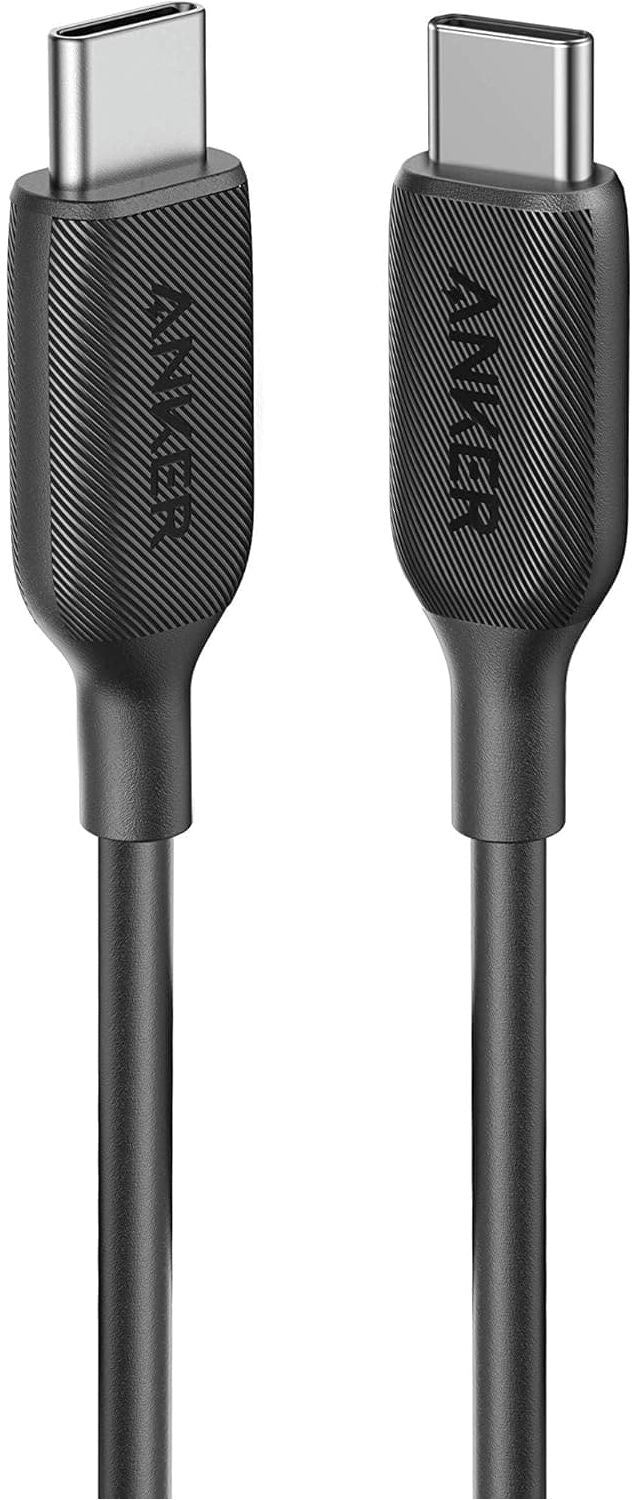
Anker USB C Cable 60W 3ft, Powerline III USB-C to USB-C Cable 2.0 The Anker PowerLine III USB-C to USB-C 2.0 Cable is a durable and efficient solution for charging and data transfer needs. Measuring 3 feet (approximately 0.9 meters) in length, this cable supports up to 60W Power Delivery, making it suitable for a wide range of devices, including smartphones, tablets, and laptops. Key Features: High-Speed Charging: With a maximum output of 60W, the cable ensures rapid charging for compatible devices. For instance, when paired with an 18W Power Delivery charger, it can charge a Samsung S10 to 50% in just 30 minutes. Enhanced Durability: Constructed with quadruple bulletproof fiber cores, the PowerLine III is designed to withstand up to 25,000 bends, offering a longer lifespan compared to standard cables. Slim and Flexible Design: The latest generation of PowerLine cables features a slimmer profile without compromising strength, making it more flexible and easier to use in various settings. Improved Grip: Textured grooves on the head of the cable provide a better grip, facilitating easier plugging and unplugging. Compatibility: The PowerLine III USB-C to USB-C 2.0 Cable is compatible with a wide array of devices. Data Transfer: While the cable supports USB 2.0 standards, it offers data transfer speeds of up to 480Mbps, suitable for tasks like syncing music, photos, and files9,99 £*Shipping: 0,00 £Secure redirect to the provider

-
Should beginners choose an APS-C or a full-frame camera?
For beginners, an APS-C camera may be a better choice due to its lower cost and smaller size, making it easier to handle and carry around. Additionally, APS-C cameras often have a wider range of lens options available at more affordable prices. As beginners become more experienced and want to explore more advanced photography, they can consider upgrading to a full-frame camera for its superior image quality and low-light performance. Ultimately, the decision should be based on the beginner's budget, photography goals, and willingness to invest in a more advanced camera system in the future. **
-
Should one use APS-C or full-frame for wildlife photography?
The choice between APS-C and full-frame for wildlife photography depends on a variety of factors. APS-C cameras offer a crop factor that can extend the reach of telephoto lenses, making them a popular choice for wildlife photography. They are also generally more affordable and lighter, which can be advantageous for outdoor shooting. On the other hand, full-frame cameras offer better low-light performance and higher resolution, which can be beneficial for capturing detailed wildlife images. Ultimately, the decision should be based on individual preferences, budget, and specific shooting needs. **
-
Which 70-200 lens is suitable for Sony A-Mount APS-C?
The Sony 70-200mm f/2.8 G SSM II lens is suitable for Sony A-Mount APS-C cameras. This lens is designed specifically for Sony A-Mount cameras and provides a versatile zoom range with a fast f/2.8 aperture, making it suitable for a wide range of photography applications. Its high-quality optics and build make it a popular choice for professional photographers and enthusiasts alike. Additionally, it is compatible with Sony's APS-C sensor cameras, providing an effective focal length of 105-300mm. **
-
What is the difference between full frame and APS-C focal length?
The main difference between full frame and APS-C focal length is the field of view. Full frame sensors have a larger surface area, which means they capture a wider field of view compared to APS-C sensors. As a result, the focal length of a lens will appear longer on an APS-C sensor compared to a full frame sensor. For example, a 50mm lens on a full frame camera will have a narrower field of view compared to the same lens on an APS-C camera, making it appear more like a 75mm lens. **

What is the difference between a 30mm APS-C and a 30mm full-frame lens?
The main difference between a 30mm APS-C and a 30mm full-frame lens is their field of view. A 30mm lens on an APS-C camera will have a narrower field of view compared to a 30mm lens on a full-frame camera. This is due to the crop factor of APS-C sensors, which effectively increases the focal length of the lens. As a result, a 30mm lens on an APS-C camera will behave more like a 45mm lens on a full-frame camera in terms of field of view. Additionally, the depth of field and low light performance may also vary between the two lenses due to the differences in sensor size. **
What is the difference between an APS-C sensor and an Exmor RS CMOS sensor?
An APS-C sensor is a type of image sensor commonly used in DSLR cameras and mirrorless cameras, known for its larger size compared to other sensor types, which allows for better image quality and low-light performance. On the other hand, Exmor RS CMOS sensor is a specific type of sensor technology developed by Sony, known for its stacked design that allows for faster readout speeds and improved performance in terms of speed and low-light capabilities. In summary, APS-C refers to the physical size of the sensor, while Exmor RS CMOS refers to a specific technology used in the sensor design. **
Top-Angebote
Products related to APS-C:
-
ECLAT Tech Ltd Tamron 35-150mm F/2-2.8 Di III VXD Lens for Sony E-Mount – Full Frame & APS-C Portrait, Travel & Event Zoom Lens, Used - Like New.gadcet-pdp{--g-green:#00a651;color:#1f2430;line-height:1.55;font-size:inherit;max-width:760px}.gadcet-pdp>*:first-child{margin-top:0}.gadcet-pdp p{margin:0 0.9em}.gadcet-pdp h3{font-size:1.05em;font-weight:600;color:#11161f;margin:1.4em 0.5em;padding-left:.5em;border-left:3px solid var(--g-green);border-radius:0;line-height:1.3}.gadcet-pdp ul{list-style:none!important;margin:0 0.9em;padding:0!important}.gadcet-pdp ul li{position:relative;padding:.1em 0.1em 1.5em;margin:0}.gadcet-pdp ul li::before{content:"";position:absolute;left:.16em;top:.45em;width:.36em;height:.66em;border:solid var(--g-green);border-width:0.14em.14em 0;transform:rotate(45deg)}.gadcet-pdp table{width:100%;border-collapse:collapse;margin:.3em 0 1em;font-size:.95em;border:1px solid #e7e9ee!important;border-radius:8px;overflow:hidden}.gadcet-pdp table td{padding:.5em.8em;border-bottom:1px solid #eef0f4!important;vertical-align:top}.gadcet-pdp table tr:last-child td{border-bottom:0!important}.gadcet-pdp table tr:nth-child(even){background:#f7f9f8}.gadcet-pdp table td:first-child{font-weight:600;color:#454c59;width:40%}@media (max-width:600px){.gadcet-pdp table td:first-child{width:42%}} Capture portraits, travel scenes and event moments without constantly changing lenses. The Tamron 35-150mm F/2-2.8 Di III VXD for Sony E-mount gives Sony creators a fast, flexible zoom range for stills and video. Key Features 35-150mm zoom range for wide scenes, portraits, details and tighter compositions Bright F/2-2.8 maximum aperture for background blur and low-light shooting Designed for Sony E-mount mirrorless cameras Suitable for full-frame Sony Alpha bodies and Sony APS-C E-mount cameras VXD linear motor autofocus for fast, precise focusing 21 elements in 15 groups optical construction Minimum object distance of 0.33m at the wide end for close-up creativity Moisture-resistant construction and fluorine coating for outdoor shooting confidence Customisable lens controls and compatibility with Tamron Lens Utility Benefits Carry one versatile lens for portraits, weddings, events, travel and everyday content Create flattering subject separation and soft bokeh across a useful focal range React quickly to changing scenes with fewer lens swaps Choose from New and Used condition options to suit your budget Specifications Brand Tamron Model 35-150mm F/2-2.8 Di III VXD Lens Mount Sony E-mount Format Compatibility Full-frame and APS-C Focal Length 35-150mm Maximum Aperture F/2-2.8 Autofocus System VXD linear motor Optical Construction 21 elements in 15 groups Minimum Object Distance 0.33m at the wide end APS-C Equivalent Field of View Approximately 52.5-225mm What You'll Receive Tamron 35-150mm F/2-2.8 Di III VXD lens for Sony E-mount in your selected condition: New, Used - Like New, Used - Very Good or Used - Good. Ideal For Ideal for Sony Alpha photographers and hybrid creators shooting portraits, weddings, events, travel, lifestyle content and everyday details. It is a strong choice for anyone who...1115,99 £*Shipping: 0,00 £Secure redirect to the provider
-
J H Haynes & Co Ltd Haynes Property Manual 2 Books Collection Set (The Victorian House, Period Property)The Victorian House Manual The Victorian House Manual (2nd Edition): How They Were Built, Improvements & Refurbishment, Solutions to All Common Defects Thinking of buying a Victorian or Edwardian house? Or maybe you already own one? Either way, this clearly written manual explains all you need to know about the care and repair of these classic properties. Today, many houses of this age are in need of extensive updating and maintenance, having suffered years of neglect. Some have been damaged by misguided home improvements or botched repairs using the wrong materials. Even newly refurbished properties can sometimes conceal dangerous structural alterations and shoddy build-quality. This unique manual provides detailed, expert advice, backed up with clear how to colour photographs, describing where to check for the critical danger signs and how to fix all common defects. Period Property Britain has a wonderfully rich stock of period houses - everything from medieval cottages to Georgian townhouses and Edwardian mansions. But many of these historic properties are now at risk. Some are unwittingly damaged by well-meaning owners or incompetent builders; others suffer long-term deterioration where mortgage lenders have imposed quick-fix 'remedies'. Despite being some of the most sustainable buildings on the planet, many old houses are now being subjected to ill-advised works to upgrade thermal efficiency, resulting in the destruction of the very qualities that make them so appealing, slashing their values. Haynes have come to the rescue with this clearly written, lavishly illustrated manual explaining the correct approach to care and repair - covering the full range of traditional materials. Every old house has a story to tell, so Haynes also show how to explore your home's history and strip back modern finishes to reveal long lost original features. This comprehensive manual is essential reading whether you want to get your hands dirty or just want to understand how old houses work and how to go about employing specialist craftsmen.19,99 £*Shipping: 2,99 £Secure redirect to the provider
-
J H Haynes & Co Ltd Haynes Property Manual 3 Books Collection Set Home Extension The Victorian House Period PropertyTitles In this Set: The Victorian House Manual Home Extension Period Property The Victorian House Manual The Victorian House Manual (2nd Edition): How They Were Built, Improvements & Refurbishment, Solutions to All Common Defects Thinking of buying a Victorian or Edwardian house? Or maybe you already own one? Either way, this clearly written manual explains all you need to know about the care and repair of these classic properties. Today, many houses of this age are in need of extensive updating and maintenance, having suffered years of neglect. Some have been damaged by misguided home improvements or botched repairs using the wrong materials. Even newly refurbished properties can sometimes conceal dangerous structural alterations and shoddy build-quality. This unique manual provides detailed, expert advice, backed up with clear how to colour photographs, describing where to check for the critical danger signs and how to fix all common defects. Home ExtensionMany people are looking at ways to extend their homes rather than move house, but `getting the builders in' can be a recipe for disaster unless you really know what you are doing. Whether you plan to employ a building contractor or tackle some of the works yourself, this best-selling manual will show you how to stay firmly in control, resulting in a high-quality extension, completed on time and within budget. This new edition will include all the up-do-date information on complying with the latest Building Regs and Planning requirements, CAD design, energy-efficiency, under floor heating, bi-folds, liquid screeds, woodburning stoves and renewable energy. Period Property Britain has a wonderfully rich stock of period houses - everything from medieval cottages to Georgian townhouses and Edwardian mansions. But many of these historic properties are now at risk. Some are unwittingly damaged by well-meaning owners or incompetent builders; others suffer long-term deterioration where mortgage lenders have imposed quick-fix 'remedies'. Despite being some of the most sustainable buildings on the planet, many old houses are now being subjected to ill-advised works to upgrade thermal efficiency, resulting in the destruction of the very qualities that make them so appealing, slashing their values. Haynes have come to the rescue with this clearly written, lavishly illustrated manual explaining the correct approach to care and repair - covering the full range of traditional materials. Every old house has a story to tell, so Haynes also show how to explore your home's history and strip back modern finishes to reveal long lost original features. This comprehensive manual is essential reading whether you want to get your hands dirty or just want to understand how old houses work and how to go about employing specialist craftsmen.24,99 £*Shipping: 2,99 £Secure redirect to the provider
-
Little Brown Book Group No Limits: Blow the Cap Off Your Capacity by John C. Maxwell – Personal Growth & Leadership Development GuideNo Limits: Blow the CAP Off Your Capacity Description We often treat the word capacity as if it were a natural law of limitation. Unfortunately; most of us are much more comfortable defining what we perceive is off limits rather than what's possible. Could it be that many people have allowed what they perceive as capacity to define them? Have they allowed their perception to limit their attitudes about their potential? In his newest book; John Maxwell identifies 17 core capacities. Some of these are abilities we all already possess; such as energy; creativity and leadership. Others are aspects of our lives controlled by our choices; like our attitudes; character; and intentionality. Maxwell examines each of these 17 capacities; and provides clear and actionable advice on how you can increase your potential in each. He will guide you on how to identify; grow; and apply your critical capacities to your daily life. Once you've blown the 'cap' off your capacities; you'll find yourself more successful--and fulfilled--in your daily life.5,99 £*Shipping: 2,99 £Secure redirect to the provider
-
Do APS-C lenses have a future?
Yes, APS-C lenses do have a future as they are specifically designed for APS-C sensor cameras, which are popular among both amateur and professional photographers. These lenses offer a more compact and lightweight option compared to full-frame lenses, making them ideal for travel and everyday use. Additionally, camera manufacturers continue to release new APS-C sensor cameras, ensuring a demand for compatible lenses in the market. **
-
What is the transition from MFT to APS-C?
The transition from MFT (Micro Four Thirds) to APS-C involves moving from a smaller sensor size to a larger one. APS-C sensors are typically larger than MFT sensors, which can result in improved image quality, especially in low light conditions. Additionally, APS-C cameras often have better autofocus performance and a wider range of lenses available. However, the trade-off is that APS-C cameras and lenses are generally larger and heavier than their MFT counterparts. Overall, the transition from MFT to APS-C can result in better image quality and performance, but with the downside of increased size and weight. **
-
Should beginners choose an APS-C or a full-frame camera?
For beginners, an APS-C camera may be a better choice due to its lower cost and smaller size, making it easier to handle and carry around. Additionally, APS-C cameras often have a wider range of lens options available at more affordable prices. As beginners become more experienced and want to explore more advanced photography, they can consider upgrading to a full-frame camera for its superior image quality and low-light performance. Ultimately, the decision should be based on the beginner's budget, photography goals, and willingness to invest in a more advanced camera system in the future. **
-
Should one use APS-C or full-frame for wildlife photography?
The choice between APS-C and full-frame for wildlife photography depends on a variety of factors. APS-C cameras offer a crop factor that can extend the reach of telephoto lenses, making them a popular choice for wildlife photography. They are also generally more affordable and lighter, which can be advantageous for outdoor shooting. On the other hand, full-frame cameras offer better low-light performance and higher resolution, which can be beneficial for capturing detailed wildlife images. Ultimately, the decision should be based on individual preferences, budget, and specific shooting needs. **
Similar search terms for APS-C
-
Dermalogica Biolumin-C Vitamin C Gel Moisturiser 50mlHydrate and add radiance to your skin with the daily brightening gel moisturiser. Infused with a highly stable vitamin-c rich formula, the gel moisturiser strengthens the skin's moisture barrier for long-lasting hydration and instant luminosity. Key Ingredients Ultra-stable Vitamin C complex with biotechnology - This technology recycles or reactivates the Vitamin C, increasing its potency and further enhances its penetration into the skin Squalane and five types of Hyaluronic Acid - To provide long-lasting hydration Verbascum Thapsus Flower Extract - Transforms UV rays into visible light creating instant luminosity Phytic Acid and Pumpkin Enzymes - Gently exfoliates to encourage skin cell turnover and even skin tone This easy to apply gel moisturiser has a weightless texture that gives skin the boost it needs to look healthy and refreshed. Skin is left feeling nourished, healthy and revived. Full Ingredients Water/Aqua/Eau, Glycerin, Squalane, Propanediol, Butylene Glycol, PPG-24-Glycereth-24, Jojoba Wax Peg-120 Esters, Hydroxyethyl Urea, Trehalose, Aminopropyl Ascorbyl Phosphate, Allantoin, Hyaluronic Acid, Hydrolyzed Hyaluronic Acid, Hydrolyzed Jojoba Esters, Biosaccharide Gum-1, Ethylhexylglycerin, Sodium PCA, Sodium Levulinate, Ergothioneine, Beta-Carotene, Lactobacillus Ferment, Aloe Barbadensis Leaf Juice, Camellia Sinensis Leaf Extract, Centella Asiatica Extract, Chamomilla Recutita (Matricaria) Flower Extract, Glycyrrhiza Glabra (Licorice) Root Extract, Verbascum Thapsus Extract, Lactobacillus/Pumpkin Ferment Extract, Glycine Soja (Soybean) Oil, Citrus Aurantium Dulcis (Orange) Peel Extract, Citrus Paradisi (Grapefruit) Peel Oil, Helianthus Annuus (Sunflower) Seed Oil, Citrus Aurantium Bergamia (Bergamot) Fruit Oil, Raspberry Ketone, Jasminum Sambac (Jasmine) Flower Extract, Santalum Album (Sandalwood) Oil, Daucus Carota Sativa (Carrot) Root Extract, Bisabolol, Cystine, Glycine, Dipotassium Glycyrrhizate, Hydrolyzed Glycosaminoglycans, Sodium Hyaluronate Crosspolymer, Sodium Hyaluronate, Pentylene Glycol, Caprylyl Glycol, Tocopherol, Mannitol, Tetrasodium Glutamate Diacetate, Sodium Hydroxide, Phytic Acid, Citric Acid, PEG-40 Hydrogenated Castor Oil, C12-13 Pareth-3, Xanthan Gum, Sclerotium Gum, Polyacrylate Crosspolymer-6, Ascorbyl Methylsilanol Pectinate, Glyceryl Caprylate, p-Anisic Acid, Benzyl Glycol, Methylpropanediol, Sodium Benzoate, Potassium Sorbate, Limonene We are dedicated to maintaining the accuracy of the ingredient lists on this website. However, because ingredients are subject to change, we cannot guarantee that these lists are complete, up-to-date and/or error-free. For an accurate listing of ingredients in each product, please refer to your product packaging.65,00 £*Shipping: 0,00 £Secure redirect to the provider
-
Anker USB C Cable 60W 3ft, Powerline III USB-C to USB-C Cable 2.0 The Anker PowerLine III USB-C to USB-C 2.0 Cable is a durable and efficient solution for charging and data transfer needs. Measuring 3 feet (approximately 0.9 meters) in length, this cable supports up to 60W Power Delivery, making it suitable for a wide range of devices, including smartphones, tablets, and laptops. Key Features: High-Speed Charging: With a maximum output of 60W, the cable ensures rapid charging for compatible devices. For instance, when paired with an 18W Power Delivery charger, it can charge a Samsung S10 to 50% in just 30 minutes. Enhanced Durability: Constructed with quadruple bulletproof fiber cores, the PowerLine III is designed to withstand up to 25,000 bends, offering a longer lifespan compared to standard cables. Slim and Flexible Design: The latest generation of PowerLine cables features a slimmer profile without compromising strength, making it more flexible and easier to use in various settings. Improved Grip: Textured grooves on the head of the cable provide a better grip, facilitating easier plugging and unplugging. Compatibility: The PowerLine III USB-C to USB-C 2.0 Cable is compatible with a wide array of devices. Data Transfer: While the cable supports USB 2.0 standards, it offers data transfer speeds of up to 480Mbps, suitable for tasks like syncing music, photos, and files9,99 £*Shipping: 0,00 £Secure redirect to the provider
-
Portfolio Penguin Hooked: How to Build Habit-Forming Products by Nir EyalNir Eyal reveals how successful companies create products people can't put down - and how you can tooWhy do some products capture our attention while others flop? What makes us engage with certain things out of sheer habit? Is there an underlying pattern to how technologies hook us?Nir Eyal answers these questions (and many more) with the Hook Model - a four-step process that, when embedded into products, subtly encourages customer behaviour. Through consecutive "hook cycles," these products bring people back again and again without depending on costly advertising or aggressive messaging.Hooked is based on Eyal's years of research, consulting, and practical experience. He wrote the book he wished had been available to him as a start-up founder - not abstract theory, but a how-to guide for building better products. Hooked is written for product managers, designers, marketers, start-up founders, and anyone who seeks to understand how products influence our behaviour.Eyal provides readers with practical insights to create user habits that stick; actionable steps for building products people love; and riveting examples from the iPhone to Twitter, Pinterest and the Bible App.7,98 £*Shipping: 2,99 £Secure redirect to the provider
-
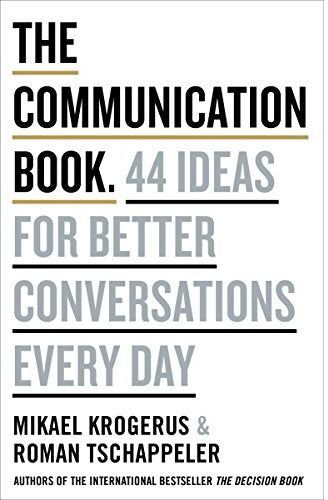
Portfolio Penguin The Communication Book: 44 Ideas for Better Conversations Every DayLEARN THE TECHNIQUES YOU NEED TO COMMUNICATE BETTER AT WORK AND HOME 'Communication is a bit like love - it's what makes the world go round, but nobody really knows how it works.' Struggle to find the words in meetings? Know what you mean but not how to say it? From Aristotle's thoughts on presenting to the Harvard Negotiation Project, internationally bestselling duo Mikael Krogerus and Roman Tschäppeler have 44 tried and tested ideas to change that. Distilled into a single volume, their winning marriage of practicality and humour turns seemingly difficult ideas into clear and entertaining diagrams that will help you: -Brush up on your listening skills and small talk -Run better meetings -Improve the conversations in your head Whether you're a CEO, just starting out or want to improve your relationships at home, this guide will improve your communication skills and help you form more meaningful connections.6,99 £*Shipping: 2,99 £Secure redirect to the provider
-
Which 70-200 lens is suitable for Sony A-Mount APS-C?
The Sony 70-200mm f/2.8 G SSM II lens is suitable for Sony A-Mount APS-C cameras. This lens is designed specifically for Sony A-Mount cameras and provides a versatile zoom range with a fast f/2.8 aperture, making it suitable for a wide range of photography applications. Its high-quality optics and build make it a popular choice for professional photographers and enthusiasts alike. Additionally, it is compatible with Sony's APS-C sensor cameras, providing an effective focal length of 105-300mm. **
-
What is the difference between full frame and APS-C focal length?
The main difference between full frame and APS-C focal length is the field of view. Full frame sensors have a larger surface area, which means they capture a wider field of view compared to APS-C sensors. As a result, the focal length of a lens will appear longer on an APS-C sensor compared to a full frame sensor. For example, a 50mm lens on a full frame camera will have a narrower field of view compared to the same lens on an APS-C camera, making it appear more like a 75mm lens. **
-
What is the difference between a 30mm APS-C and a 30mm full-frame lens?
The main difference between a 30mm APS-C and a 30mm full-frame lens is their field of view. A 30mm lens on an APS-C camera will have a narrower field of view compared to a 30mm lens on a full-frame camera. This is due to the crop factor of APS-C sensors, which effectively increases the focal length of the lens. As a result, a 30mm lens on an APS-C camera will behave more like a 45mm lens on a full-frame camera in terms of field of view. Additionally, the depth of field and low light performance may also vary between the two lenses due to the differences in sensor size. **
-
What is the difference between an APS-C sensor and an Exmor RS CMOS sensor?
An APS-C sensor is a type of image sensor commonly used in DSLR cameras and mirrorless cameras, known for its larger size compared to other sensor types, which allows for better image quality and low-light performance. On the other hand, Exmor RS CMOS sensor is a specific type of sensor technology developed by Sony, known for its stacked design that allows for faster readout speeds and improved performance in terms of speed and low-light capabilities. In summary, APS-C refers to the physical size of the sensor, while Exmor RS CMOS refers to a specific technology used in the sensor design. **
* All prices are inclusive of VAT and, if applicable, plus shipping costs. The offer information is based on the details provided by the respective shop and is updated through automated processes. Real-time updates do not occur, so deviations can occur in individual cases. ** Note: Parts of this content were created by AI.