Buy immobilieninvestors.eu ?
We are moving the project
immobilieninvestors.eu .
Are you interested in purchasing the domain
immobilieninvestors.eu ?
domain@kv-gmbh.de · 0541-91531010
Buy immobilieninvestors.eu ?
Did God create the embryo?
The belief that God created the embryo is a matter of faith and varies among different religious traditions. In many religious beliefs, it is believed that God is the ultimate creator of all life, including embryos. For example, in Christianity, it is believed that God is the creator of all life and that human life begins at conception. However, this belief is not universal, and there are differing views on when life begins and whether the embryo is directly created by God. Ultimately, the belief in God's role in creating the embryo is a deeply personal and spiritual matter. **
Is an embryo or fetus parasitic?
No, an embryo or fetus is not considered parasitic. While it is true that an embryo or fetus relies on the mother's body for nourishment and support during pregnancy, it is not a parasite. A parasite is an organism that lives in or on another organism (the host) and benefits at the host's expense. In contrast, the relationship between a mother and her developing baby is a natural and symbiotic one, where both parties benefit from the relationship. **
Similar search terms for Embryo
Top-Angebote
Products related to Embryo:
-
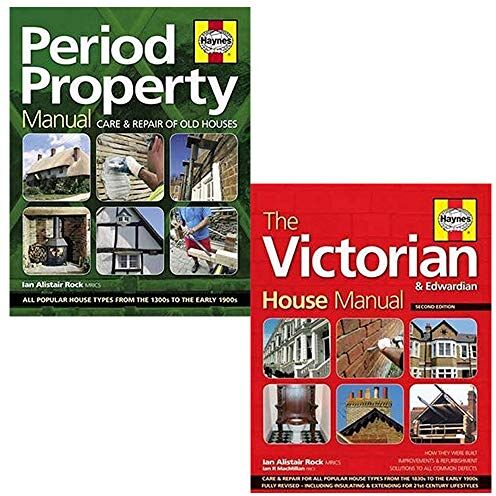
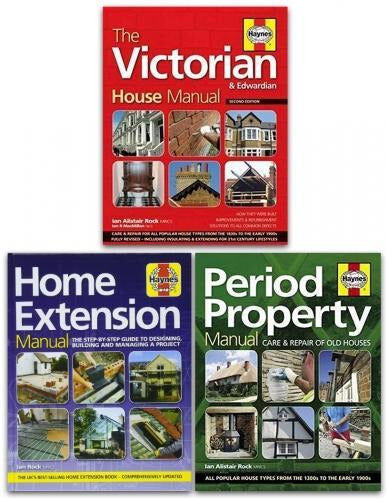
J H Haynes & Co Ltd Haynes Property Manual 3 Books Collection Set Home Extension The Victorian House Period PropertyTitles In this Set: The Victorian House Manual Home Extension Period Property The Victorian House Manual The Victorian House Manual (2nd Edition): How They Were Built, Improvements & Refurbishment, Solutions to All Common Defects Thinking of buying a Victorian or Edwardian house? Or maybe you already own one? Either way, this clearly written manual explains all you need to know about the care and repair of these classic properties. Today, many houses of this age are in need of extensive updating and maintenance, having suffered years of neglect. Some have been damaged by misguided home improvements or botched repairs using the wrong materials. Even newly refurbished properties can sometimes conceal dangerous structural alterations and shoddy build-quality. This unique manual provides detailed, expert advice, backed up with clear how to colour photographs, describing where to check for the critical danger signs and how to fix all common defects. Home ExtensionMany people are looking at ways to extend their homes rather than move house, but `getting the builders in' can be a recipe for disaster unless you really know what you are doing. Whether you plan to employ a building contractor or tackle some of the works yourself, this best-selling manual will show you how to stay firmly in control, resulting in a high-quality extension, completed on time and within budget. This new edition will include all the up-do-date information on complying with the latest Building Regs and Planning requirements, CAD design, energy-efficiency, under floor heating, bi-folds, liquid screeds, woodburning stoves and renewable energy. Period Property Britain has a wonderfully rich stock of period houses - everything from medieval cottages to Georgian townhouses and Edwardian mansions. But many of these historic properties are now at risk. Some are unwittingly damaged by well-meaning owners or incompetent builders; others suffer long-term deterioration where mortgage lenders have imposed quick-fix 'remedies'. Despite being some of the most sustainable buildings on the planet, many old houses are now being subjected to ill-advised works to upgrade thermal efficiency, resulting in the destruction of the very qualities that make them so appealing, slashing their values. Haynes have come to the rescue with this clearly written, lavishly illustrated manual explaining the correct approach to care and repair - covering the full range of traditional materials. Every old house has a story to tell, so Haynes also show how to explore your home's history and strip back modern finishes to reveal long lost original features. This comprehensive manual is essential reading whether you want to get your hands dirty or just want to understand how old houses work and how to go about employing specialist craftsmen.24,99 £*Shipping: 2,99 £Secure redirect to the provider
-
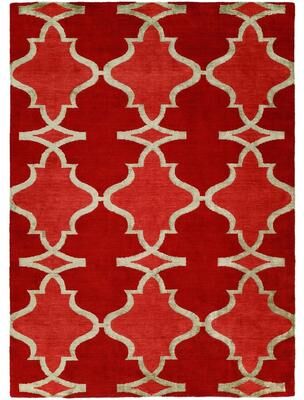
KALATY Portfolio Red Hot Handmade Area RugInvite vibrancy into your classic interior with the bold red motif of this area rug. The Handmade wool construction infuses warmth and texture into your room, and the touch of silkette adds a silky sheen.99,99 $*Shipping: 0,00 $Secure redirect to the provider
-
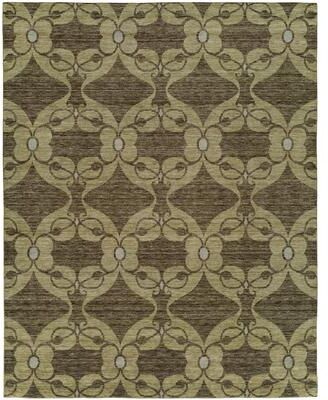
KALATY Portfolio Storm Gray HandMade Area RugWelcome guests to your home with the rich grey pattern and hand-woven design of this runner rug. Made of premium wool and Silkette, this runner is durable yet also has a lovely transitional style.86,99 $*Shipping: 0,00 $Secure redirect to the provider
-
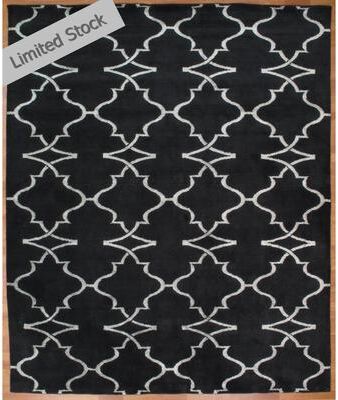
KALATY Portfolio Black Wool and Viscose Handmade Area RugSpice up light-colored flooring with this Portfolio area rug. Showcasing a geometric pattern by designer Parisa Abdollahi, this Handmade wool and viscose rug oozes casual style and fits various motifs.499,49 $*Shipping: 0,00 $Secure redirect to the provider

-
Does the embryo have no heartbeat?
No, the embryo does not have a heartbeat. The heartbeat typically begins to develop around 5-6 weeks of pregnancy, when the embryo is still very small and its heart is just starting to form. Prior to this time, the embryo relies on the mother's circulation for oxygen and nutrients. Once the heart begins to beat, it is a significant milestone in the development of the embryo. **
-
Does an embryo go to heaven?
The question of whether an embryo goes to heaven is a matter of religious belief and interpretation. In some religious traditions, such as Christianity, there is debate and differing views on the status of embryos and when they are considered to have a soul. Some believe that embryos are considered to have a soul from the moment of conception and therefore would go to heaven if they do not survive. Others believe that the soul enters the body at a later stage of development. Ultimately, the belief about the fate of embryos is a deeply personal and religious matter. **
-
Is the embryo dead or not?
The status of an embryo as dead or alive depends on the specific circumstances. In general, an embryo is considered alive if it is developing and showing signs of growth and viability. However, if an embryo has ceased developing and does not show any signs of life, it may be considered dead. It is important to consult with medical professionals to determine the status of an embryo in a specific situation. **
-
Can a mouse embryo still be saved?
Yes, a mouse embryo can potentially be saved through various techniques such as in vitro fertilization, embryo transfer, or cryopreservation. These methods can help to preserve and protect the embryo, allowing it to develop and potentially be implanted into a surrogate mother for further development. However, the success of saving a mouse embryo depends on various factors such as the health of the embryo, the expertise of the individuals handling the embryo, and the resources available for its care. **

What is an embryo in the toilet?
An embryo in the toilet refers to the expulsion of a fertilized egg from the uterus during early stages of pregnancy. This can happen naturally as a result of a miscarriage or induced through medical procedures. Finding an embryo in the toilet can be a distressing experience for individuals and may require medical attention to ensure the health and well-being of the person involved. **
From when can an embryo feel pain?
The ability of an embryo to feel pain is a topic of debate among scientists and medical professionals. Some studies suggest that the neural pathways necessary for feeling pain may not be fully developed until the third trimester of pregnancy, around 24 weeks gestation. However, other research indicates that the ability to perceive pain may develop earlier, possibly around 20 weeks gestation. Ultimately, the exact point at which an embryo can feel pain is not definitively established and remains a complex and controversial issue. **
Top-Angebote
Products related to Embryo:
-
J H Haynes & Co Ltd Haynes Property Manual 2 Books Collection Set (The Victorian House, Period Property)The Victorian House Manual The Victorian House Manual (2nd Edition): How They Were Built, Improvements & Refurbishment, Solutions to All Common Defects Thinking of buying a Victorian or Edwardian house? Or maybe you already own one? Either way, this clearly written manual explains all you need to know about the care and repair of these classic properties. Today, many houses of this age are in need of extensive updating and maintenance, having suffered years of neglect. Some have been damaged by misguided home improvements or botched repairs using the wrong materials. Even newly refurbished properties can sometimes conceal dangerous structural alterations and shoddy build-quality. This unique manual provides detailed, expert advice, backed up with clear how to colour photographs, describing where to check for the critical danger signs and how to fix all common defects. Period Property Britain has a wonderfully rich stock of period houses - everything from medieval cottages to Georgian townhouses and Edwardian mansions. But many of these historic properties are now at risk. Some are unwittingly damaged by well-meaning owners or incompetent builders; others suffer long-term deterioration where mortgage lenders have imposed quick-fix 'remedies'. Despite being some of the most sustainable buildings on the planet, many old houses are now being subjected to ill-advised works to upgrade thermal efficiency, resulting in the destruction of the very qualities that make them so appealing, slashing their values. Haynes have come to the rescue with this clearly written, lavishly illustrated manual explaining the correct approach to care and repair - covering the full range of traditional materials. Every old house has a story to tell, so Haynes also show how to explore your home's history and strip back modern finishes to reveal long lost original features. This comprehensive manual is essential reading whether you want to get your hands dirty or just want to understand how old houses work and how to go about employing specialist craftsmen.19,99 £*Shipping: 2,99 £Secure redirect to the provider
-
J H Haynes & Co Ltd Haynes Property Manual 3 Books Collection Set Home Extension The Victorian House Period PropertyTitles In this Set: The Victorian House Manual Home Extension Period Property The Victorian House Manual The Victorian House Manual (2nd Edition): How They Were Built, Improvements & Refurbishment, Solutions to All Common Defects Thinking of buying a Victorian or Edwardian house? Or maybe you already own one? Either way, this clearly written manual explains all you need to know about the care and repair of these classic properties. Today, many houses of this age are in need of extensive updating and maintenance, having suffered years of neglect. Some have been damaged by misguided home improvements or botched repairs using the wrong materials. Even newly refurbished properties can sometimes conceal dangerous structural alterations and shoddy build-quality. This unique manual provides detailed, expert advice, backed up with clear how to colour photographs, describing where to check for the critical danger signs and how to fix all common defects. Home ExtensionMany people are looking at ways to extend their homes rather than move house, but `getting the builders in' can be a recipe for disaster unless you really know what you are doing. Whether you plan to employ a building contractor or tackle some of the works yourself, this best-selling manual will show you how to stay firmly in control, resulting in a high-quality extension, completed on time and within budget. This new edition will include all the up-do-date information on complying with the latest Building Regs and Planning requirements, CAD design, energy-efficiency, under floor heating, bi-folds, liquid screeds, woodburning stoves and renewable energy. Period Property Britain has a wonderfully rich stock of period houses - everything from medieval cottages to Georgian townhouses and Edwardian mansions. But many of these historic properties are now at risk. Some are unwittingly damaged by well-meaning owners or incompetent builders; others suffer long-term deterioration where mortgage lenders have imposed quick-fix 'remedies'. Despite being some of the most sustainable buildings on the planet, many old houses are now being subjected to ill-advised works to upgrade thermal efficiency, resulting in the destruction of the very qualities that make them so appealing, slashing their values. Haynes have come to the rescue with this clearly written, lavishly illustrated manual explaining the correct approach to care and repair - covering the full range of traditional materials. Every old house has a story to tell, so Haynes also show how to explore your home's history and strip back modern finishes to reveal long lost original features. This comprehensive manual is essential reading whether you want to get your hands dirty or just want to understand how old houses work and how to go about employing specialist craftsmen.24,99 £*Shipping: 2,99 £Secure redirect to the provider
-
KALATY Portfolio Red Hot Handmade Area RugInvite vibrancy into your classic interior with the bold red motif of this area rug. The Handmade wool construction infuses warmth and texture into your room, and the touch of silkette adds a silky sheen.99,99 $*Shipping: 0,00 $Secure redirect to the provider
-
Did God create the embryo?
The belief that God created the embryo is a matter of faith and varies among different religious traditions. In many religious beliefs, it is believed that God is the ultimate creator of all life, including embryos. For example, in Christianity, it is believed that God is the creator of all life and that human life begins at conception. However, this belief is not universal, and there are differing views on when life begins and whether the embryo is directly created by God. Ultimately, the belief in God's role in creating the embryo is a deeply personal and spiritual matter. **
-
Is an embryo or fetus parasitic?
No, an embryo or fetus is not considered parasitic. While it is true that an embryo or fetus relies on the mother's body for nourishment and support during pregnancy, it is not a parasite. A parasite is an organism that lives in or on another organism (the host) and benefits at the host's expense. In contrast, the relationship between a mother and her developing baby is a natural and symbiotic one, where both parties benefit from the relationship. **
-
Does the embryo have no heartbeat?
No, the embryo does not have a heartbeat. The heartbeat typically begins to develop around 5-6 weeks of pregnancy, when the embryo is still very small and its heart is just starting to form. Prior to this time, the embryo relies on the mother's circulation for oxygen and nutrients. Once the heart begins to beat, it is a significant milestone in the development of the embryo. **
-
Does an embryo go to heaven?
The question of whether an embryo goes to heaven is a matter of religious belief and interpretation. In some religious traditions, such as Christianity, there is debate and differing views on the status of embryos and when they are considered to have a soul. Some believe that embryos are considered to have a soul from the moment of conception and therefore would go to heaven if they do not survive. Others believe that the soul enters the body at a later stage of development. Ultimately, the belief about the fate of embryos is a deeply personal and religious matter. **
Similar search terms for Embryo
-
KALATY Portfolio Storm Gray HandMade Area RugWelcome guests to your home with the rich grey pattern and hand-woven design of this runner rug. Made of premium wool and Silkette, this runner is durable yet also has a lovely transitional style.86,99 $*Shipping: 0,00 $Secure redirect to the provider
-
KALATY Portfolio Black Wool and Viscose Handmade Area RugSpice up light-colored flooring with this Portfolio area rug. Showcasing a geometric pattern by designer Parisa Abdollahi, this Handmade wool and viscose rug oozes casual style and fits various motifs.499,49 $*Shipping: 0,00 $Secure redirect to the provider
-
NARS Sparked Liquid Eyeshadow liquid glitter eyeshadow shade HOT PROPERTY 3.5 mlNARS Sparked Liquid Eyeshadow, 3.5 ml, Eyeshadows for Women, Do you tend to hit the same few shades in your favourite eyeshadow palette but you just can’t do without them? Or are you travelling and can only fit the essentials in your toiletry bag? Thanks to its compact size, the NARS Sparked Liquid Eyeshadow eyeshadow won’t take up much room, so you can always have it on hand, be it by itself in your purse or as an accessory to your favourite palette. This allows you to give your lids a pop of colour or define the shape of your eyes to your liking, giving every makeup look a new dimension, no matter what your reason for getting them is. The formula ensures even pigment coverage, easy application and seamless blending without unwanted harsh transitions. Characteristics: long-lasting do not smudge in the crease of the eyelid washes out easily sparkling effect ophthalmologically tested26,18 £*Shipping: 3,99 £Secure redirect to the provider
-
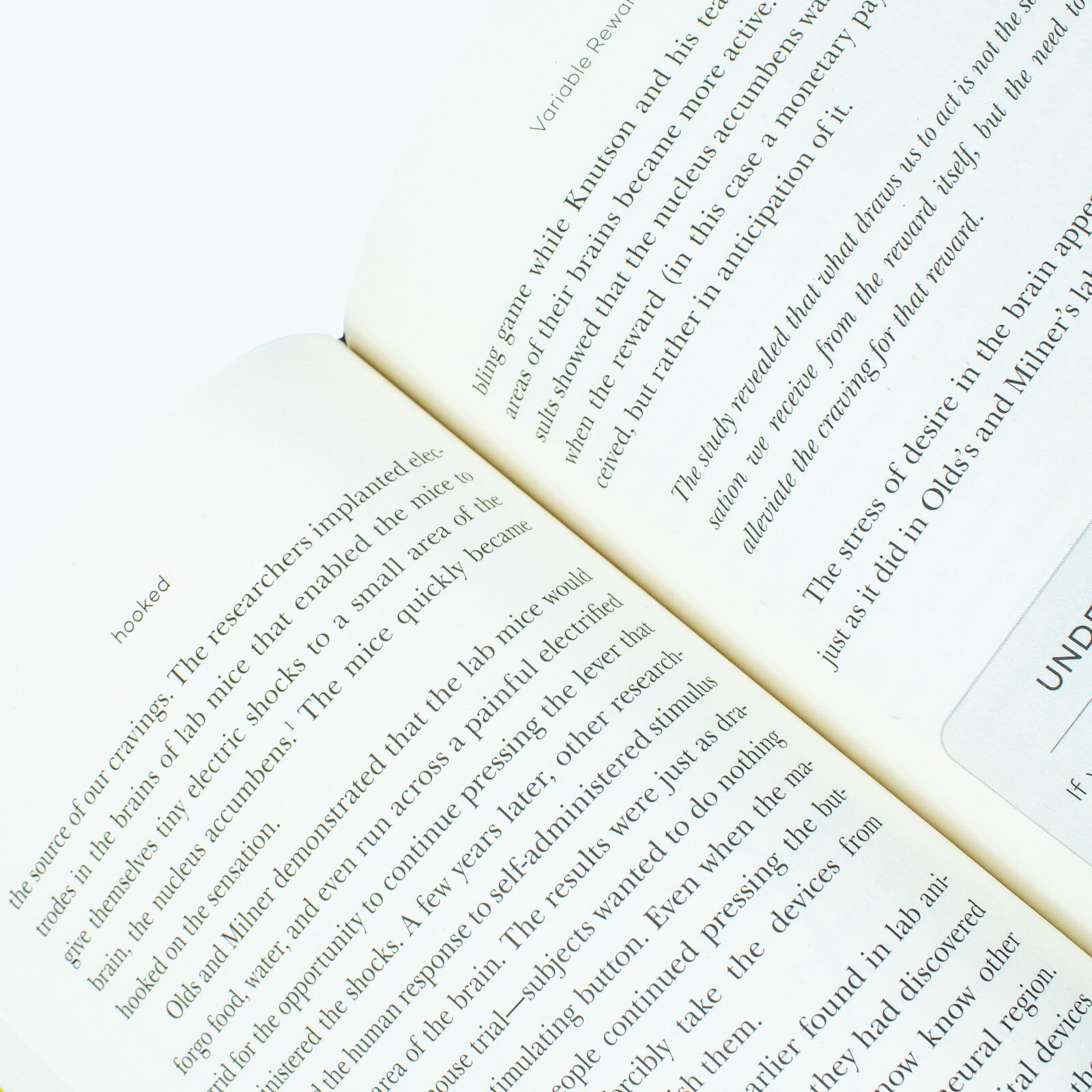
Portfolio Penguin Hooked: How to Build Habit-Forming Products by Nir EyalNir Eyal reveals how successful companies create products people can't put down - and how you can tooWhy do some products capture our attention while others flop? What makes us engage with certain things out of sheer habit? Is there an underlying pattern to how technologies hook us?Nir Eyal answers these questions (and many more) with the Hook Model - a four-step process that, when embedded into products, subtly encourages customer behaviour. Through consecutive "hook cycles," these products bring people back again and again without depending on costly advertising or aggressive messaging.Hooked is based on Eyal's years of research, consulting, and practical experience. He wrote the book he wished had been available to him as a start-up founder - not abstract theory, but a how-to guide for building better products. Hooked is written for product managers, designers, marketers, start-up founders, and anyone who seeks to understand how products influence our behaviour.Eyal provides readers with practical insights to create user habits that stick; actionable steps for building products people love; and riveting examples from the iPhone to Twitter, Pinterest and the Bible App.7,98 £*Shipping: 2,99 £Secure redirect to the provider
-
Is the embryo dead or not?
The status of an embryo as dead or alive depends on the specific circumstances. In general, an embryo is considered alive if it is developing and showing signs of growth and viability. However, if an embryo has ceased developing and does not show any signs of life, it may be considered dead. It is important to consult with medical professionals to determine the status of an embryo in a specific situation. **
-
Can a mouse embryo still be saved?
Yes, a mouse embryo can potentially be saved through various techniques such as in vitro fertilization, embryo transfer, or cryopreservation. These methods can help to preserve and protect the embryo, allowing it to develop and potentially be implanted into a surrogate mother for further development. However, the success of saving a mouse embryo depends on various factors such as the health of the embryo, the expertise of the individuals handling the embryo, and the resources available for its care. **
-
What is an embryo in the toilet?
An embryo in the toilet refers to the expulsion of a fertilized egg from the uterus during early stages of pregnancy. This can happen naturally as a result of a miscarriage or induced through medical procedures. Finding an embryo in the toilet can be a distressing experience for individuals and may require medical attention to ensure the health and well-being of the person involved. **
-
From when can an embryo feel pain?
The ability of an embryo to feel pain is a topic of debate among scientists and medical professionals. Some studies suggest that the neural pathways necessary for feeling pain may not be fully developed until the third trimester of pregnancy, around 24 weeks gestation. However, other research indicates that the ability to perceive pain may develop earlier, possibly around 20 weeks gestation. Ultimately, the exact point at which an embryo can feel pain is not definitively established and remains a complex and controversial issue. **
* All prices are inclusive of VAT and, if applicable, plus shipping costs. The offer information is based on the details provided by the respective shop and is updated through automated processes. Real-time updates do not occur, so deviations can occur in individual cases. ** Note: Parts of this content were created by AI.