Buy immobilieninvestors.eu ?
We are moving the project
immobilieninvestors.eu .
Are you interested in purchasing the domain
immobilieninvestors.eu ?
domain@kv-gmbh.de · 0541-91531010
Buy immobilieninvestors.eu ?
How does the linguistic development progress?
Linguistic development progresses in stages, starting with the prelinguistic stage where babies communicate through crying, cooing, and babbling. This is followed by the one-word stage, where children begin to use single words to communicate their needs and wants. Then, they move on to the two-word stage, where they start combining words to form simple sentences. Finally, they reach the telegraphic stage, where they use more complex sentence structures and begin to understand grammar rules. Throughout these stages, children are constantly learning and expanding their vocabulary and language skills through exposure to language and interaction with others. **
Is linguistic design the same as linguistic devices?
No, linguistic design and linguistic devices are not the same. Linguistic design refers to the overall structure and organization of language, including factors such as syntax, semantics, and discourse patterns. On the other hand, linguistic devices are specific techniques or tools used within language to achieve certain effects, such as metaphors, similes, or alliteration. While linguistic devices are a part of linguistic design, they are just one component of the broader concept. **

Similar search terms for Linguistic
Top-Angebote
Products related to Linguistic:
-
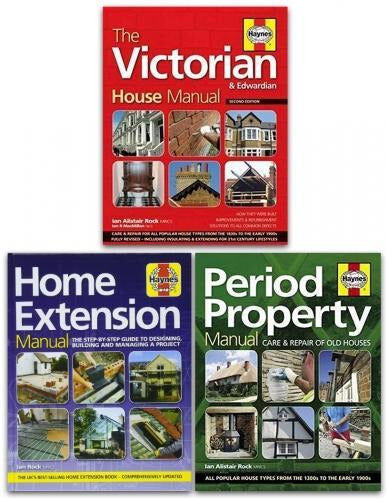
J H Haynes & Co Ltd Haynes Property Manual 3 Books Collection Set Home Extension The Victorian House Period PropertyTitles In this Set: The Victorian House Manual Home Extension Period Property The Victorian House Manual The Victorian House Manual (2nd Edition): How They Were Built, Improvements & Refurbishment, Solutions to All Common Defects Thinking of buying a Victorian or Edwardian house? Or maybe you already own one? Either way, this clearly written manual explains all you need to know about the care and repair of these classic properties. Today, many houses of this age are in need of extensive updating and maintenance, having suffered years of neglect. Some have been damaged by misguided home improvements or botched repairs using the wrong materials. Even newly refurbished properties can sometimes conceal dangerous structural alterations and shoddy build-quality. This unique manual provides detailed, expert advice, backed up with clear how to colour photographs, describing where to check for the critical danger signs and how to fix all common defects. Home ExtensionMany people are looking at ways to extend their homes rather than move house, but `getting the builders in' can be a recipe for disaster unless you really know what you are doing. Whether you plan to employ a building contractor or tackle some of the works yourself, this best-selling manual will show you how to stay firmly in control, resulting in a high-quality extension, completed on time and within budget. This new edition will include all the up-do-date information on complying with the latest Building Regs and Planning requirements, CAD design, energy-efficiency, under floor heating, bi-folds, liquid screeds, woodburning stoves and renewable energy. Period Property Britain has a wonderfully rich stock of period houses - everything from medieval cottages to Georgian townhouses and Edwardian mansions. But many of these historic properties are now at risk. Some are unwittingly damaged by well-meaning owners or incompetent builders; others suffer long-term deterioration where mortgage lenders have imposed quick-fix 'remedies'. Despite being some of the most sustainable buildings on the planet, many old houses are now being subjected to ill-advised works to upgrade thermal efficiency, resulting in the destruction of the very qualities that make them so appealing, slashing their values. Haynes have come to the rescue with this clearly written, lavishly illustrated manual explaining the correct approach to care and repair - covering the full range of traditional materials. Every old house has a story to tell, so Haynes also show how to explore your home's history and strip back modern finishes to reveal long lost original features. This comprehensive manual is essential reading whether you want to get your hands dirty or just want to understand how old houses work and how to go about employing specialist craftsmen.24,99 £*Shipping: 2,99 £Secure redirect to the provider
-
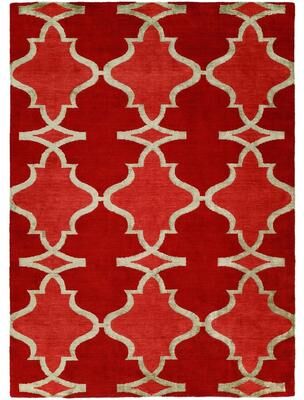
KALATY Portfolio Red Hot Handmade Area RugInvite vibrancy into your classic interior with the bold red motif of this area rug. The Handmade wool construction infuses warmth and texture into your room, and the touch of silkette adds a silky sheen.99,99 $*Shipping: 0,00 $Secure redirect to the provider
-
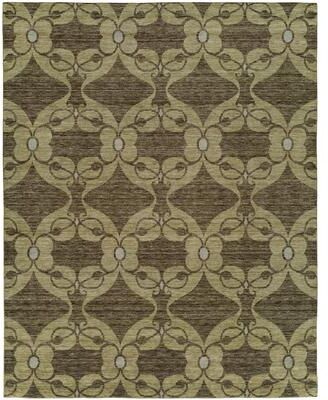
KALATY Portfolio Storm Gray HandMade Area RugWelcome guests to your home with the rich grey pattern and hand-woven design of this runner rug. Made of premium wool and Silkette, this runner is durable yet also has a lovely transitional style.86,99 $*Shipping: 0,00 $Secure redirect to the provider

-
What are non-linguistic signs and linguistic signs?
Non-linguistic signs are symbols or signals that convey meaning without the use of language, such as traffic lights, facial expressions, or body language. These signs rely on visual cues or gestures to communicate information. On the other hand, linguistic signs are symbols that represent specific meanings within a particular language system, such as words, letters, or numbers. Linguistic signs rely on the conventions and rules of language to convey meaning. **
-
What are good examples of linguistic and non-linguistic images?
Good examples of linguistic images include descriptive language that paints a vivid picture in the reader's mind, such as "the sun hung low in the sky, casting a warm golden glow over the fields." Non-linguistic images can include photographs, paintings, or other visual art that convey a specific mood or message without the use of words. For example, a photograph of a stormy sea with dark, churning waves can evoke a sense of danger and power without any accompanying text. Both linguistic and non-linguistic images can be powerful tools for communication and expression. **
-
What are linguistic aspects?
Linguistic aspects refer to the different components of language that are studied in linguistics. These aspects include phonetics (the study of speech sounds), phonology (the study of sound patterns), morphology (the study of word structure), syntax (the study of sentence structure), semantics (the study of meaning), and pragmatics (the study of language use in context). Understanding these linguistic aspects helps us analyze and interpret language in a systematic way. **
-
What is linguistic redundancy?
Linguistic redundancy refers to the use of unnecessary or repetitive words, phrases, or information in communication. It can often be seen as a form of over-explaining or providing more information than is needed to convey a message. While some level of redundancy can help clarify communication and ensure understanding, excessive redundancy can lead to inefficiency and confusion in language. Overall, linguistic redundancy can be both a helpful tool for emphasizing key points and a hindrance to clear and concise communication. **

What are linguistic peculiarities?
Linguistic peculiarities refer to unique or unusual features found in a language that set it apart from others. These can include specific grammar rules, pronunciation patterns, vocabulary choices, or cultural influences that shape the way a language is spoken or written. Linguistic peculiarities can vary widely from one language to another, making each language distinct and interesting in its own way. **
What are linguistic features?
Linguistic features are the characteristics of language that help to distinguish one language from another or one dialect from another. These features can include phonological features (such as the sounds used in a language), morphological features (such as word formation and inflection), syntactic features (such as word order and sentence structure), and semantic features (such as the meaning of words and how they are used in context). Linguistic features are essential for understanding and analyzing language and are used by linguists to study and compare different languages and dialects. **
Top-Angebote
Products related to Linguistic:
-
Zaffre Guilty by Definition: The instant Sunday Times bestselling linguistic mystery from Britain's wordsmith, Susie Dent (Clarendon Lexicographers)A coded letter. A missing woman. A truth waiting to be found. When an anonymous letter is delivered to the Clarendon English Dictionary office, it becomes rapidly clear that this is not the usual word-related enquiry. Instead, the letter hints at sinister events linked to a particular year. For editor Martha Thornhill, the date can mean only one thing: the summer her brilliant older sister Charlie went missing. Ten years on, Martha and her family are no closer to unravelling the mystery of Charlie's disappearance - until now. As more letters arrive, Martha and her team follow the linguistic clues to a troubling truth. It seems Charlie was keeping a powerful secret, and that someone is desperate to keep it well and truly buried. Guilty by Definition is a love letter not only to language but to the city of Oxford, wrapped within an intriguing mystery of a missing woman and considering the emotional aftershocks of her disappearance on those left behind.5,99 £*Shipping: 2,99 £Secure redirect to the provider
-
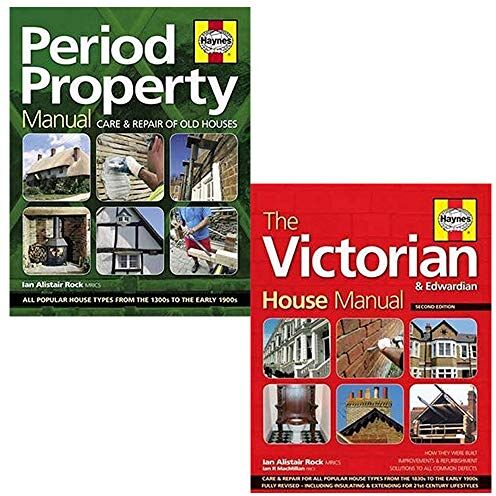
J H Haynes & Co Ltd Haynes Property Manual 2 Books Collection Set (The Victorian House, Period Property)The Victorian House Manual The Victorian House Manual (2nd Edition): How They Were Built, Improvements & Refurbishment, Solutions to All Common Defects Thinking of buying a Victorian or Edwardian house? Or maybe you already own one? Either way, this clearly written manual explains all you need to know about the care and repair of these classic properties. Today, many houses of this age are in need of extensive updating and maintenance, having suffered years of neglect. Some have been damaged by misguided home improvements or botched repairs using the wrong materials. Even newly refurbished properties can sometimes conceal dangerous structural alterations and shoddy build-quality. This unique manual provides detailed, expert advice, backed up with clear how to colour photographs, describing where to check for the critical danger signs and how to fix all common defects. Period Property Britain has a wonderfully rich stock of period houses - everything from medieval cottages to Georgian townhouses and Edwardian mansions. But many of these historic properties are now at risk. Some are unwittingly damaged by well-meaning owners or incompetent builders; others suffer long-term deterioration where mortgage lenders have imposed quick-fix 'remedies'. Despite being some of the most sustainable buildings on the planet, many old houses are now being subjected to ill-advised works to upgrade thermal efficiency, resulting in the destruction of the very qualities that make them so appealing, slashing their values. Haynes have come to the rescue with this clearly written, lavishly illustrated manual explaining the correct approach to care and repair - covering the full range of traditional materials. Every old house has a story to tell, so Haynes also show how to explore your home's history and strip back modern finishes to reveal long lost original features. This comprehensive manual is essential reading whether you want to get your hands dirty or just want to understand how old houses work and how to go about employing specialist craftsmen.19,99 £*Shipping: 2,99 £Secure redirect to the provider
-
J H Haynes & Co Ltd Haynes Property Manual 3 Books Collection Set Home Extension The Victorian House Period PropertyTitles In this Set: The Victorian House Manual Home Extension Period Property The Victorian House Manual The Victorian House Manual (2nd Edition): How They Were Built, Improvements & Refurbishment, Solutions to All Common Defects Thinking of buying a Victorian or Edwardian house? Or maybe you already own one? Either way, this clearly written manual explains all you need to know about the care and repair of these classic properties. Today, many houses of this age are in need of extensive updating and maintenance, having suffered years of neglect. Some have been damaged by misguided home improvements or botched repairs using the wrong materials. Even newly refurbished properties can sometimes conceal dangerous structural alterations and shoddy build-quality. This unique manual provides detailed, expert advice, backed up with clear how to colour photographs, describing where to check for the critical danger signs and how to fix all common defects. Home ExtensionMany people are looking at ways to extend their homes rather than move house, but `getting the builders in' can be a recipe for disaster unless you really know what you are doing. Whether you plan to employ a building contractor or tackle some of the works yourself, this best-selling manual will show you how to stay firmly in control, resulting in a high-quality extension, completed on time and within budget. This new edition will include all the up-do-date information on complying with the latest Building Regs and Planning requirements, CAD design, energy-efficiency, under floor heating, bi-folds, liquid screeds, woodburning stoves and renewable energy. Period Property Britain has a wonderfully rich stock of period houses - everything from medieval cottages to Georgian townhouses and Edwardian mansions. But many of these historic properties are now at risk. Some are unwittingly damaged by well-meaning owners or incompetent builders; others suffer long-term deterioration where mortgage lenders have imposed quick-fix 'remedies'. Despite being some of the most sustainable buildings on the planet, many old houses are now being subjected to ill-advised works to upgrade thermal efficiency, resulting in the destruction of the very qualities that make them so appealing, slashing their values. Haynes have come to the rescue with this clearly written, lavishly illustrated manual explaining the correct approach to care and repair - covering the full range of traditional materials. Every old house has a story to tell, so Haynes also show how to explore your home's history and strip back modern finishes to reveal long lost original features. This comprehensive manual is essential reading whether you want to get your hands dirty or just want to understand how old houses work and how to go about employing specialist craftsmen.24,99 £*Shipping: 2,99 £Secure redirect to the provider
-
How does the linguistic development progress?
Linguistic development progresses in stages, starting with the prelinguistic stage where babies communicate through crying, cooing, and babbling. This is followed by the one-word stage, where children begin to use single words to communicate their needs and wants. Then, they move on to the two-word stage, where they start combining words to form simple sentences. Finally, they reach the telegraphic stage, where they use more complex sentence structures and begin to understand grammar rules. Throughout these stages, children are constantly learning and expanding their vocabulary and language skills through exposure to language and interaction with others. **
-
Is linguistic design the same as linguistic devices?
No, linguistic design and linguistic devices are not the same. Linguistic design refers to the overall structure and organization of language, including factors such as syntax, semantics, and discourse patterns. On the other hand, linguistic devices are specific techniques or tools used within language to achieve certain effects, such as metaphors, similes, or alliteration. While linguistic devices are a part of linguistic design, they are just one component of the broader concept. **
-
What are non-linguistic signs and linguistic signs?
Non-linguistic signs are symbols or signals that convey meaning without the use of language, such as traffic lights, facial expressions, or body language. These signs rely on visual cues or gestures to communicate information. On the other hand, linguistic signs are symbols that represent specific meanings within a particular language system, such as words, letters, or numbers. Linguistic signs rely on the conventions and rules of language to convey meaning. **
-
What are good examples of linguistic and non-linguistic images?
Good examples of linguistic images include descriptive language that paints a vivid picture in the reader's mind, such as "the sun hung low in the sky, casting a warm golden glow over the fields." Non-linguistic images can include photographs, paintings, or other visual art that convey a specific mood or message without the use of words. For example, a photograph of a stormy sea with dark, churning waves can evoke a sense of danger and power without any accompanying text. Both linguistic and non-linguistic images can be powerful tools for communication and expression. **
Similar search terms for Linguistic
-
KALATY Portfolio Red Hot Handmade Area RugInvite vibrancy into your classic interior with the bold red motif of this area rug. The Handmade wool construction infuses warmth and texture into your room, and the touch of silkette adds a silky sheen.99,99 $*Shipping: 0,00 $Secure redirect to the provider
-
KALATY Portfolio Storm Gray HandMade Area RugWelcome guests to your home with the rich grey pattern and hand-woven design of this runner rug. Made of premium wool and Silkette, this runner is durable yet also has a lovely transitional style.86,99 $*Shipping: 0,00 $Secure redirect to the provider
-
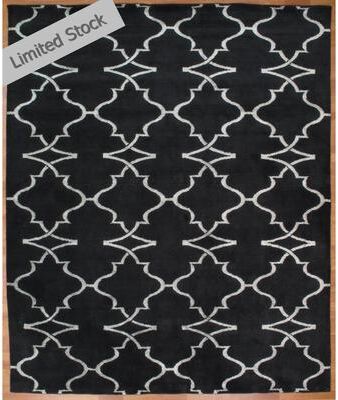
KALATY Portfolio Black Wool and Viscose Handmade Area RugSpice up light-colored flooring with this Portfolio area rug. Showcasing a geometric pattern by designer Parisa Abdollahi, this Handmade wool and viscose rug oozes casual style and fits various motifs.499,49 $*Shipping: 0,00 $Secure redirect to the provider
-
NARS Sparked Liquid Eyeshadow liquid glitter eyeshadow shade HOT PROPERTY 3.5 mlNARS Sparked Liquid Eyeshadow, 3.5 ml, Eyeshadows for Women, Do you tend to hit the same few shades in your favourite eyeshadow palette but you just can’t do without them? Or are you travelling and can only fit the essentials in your toiletry bag? Thanks to its compact size, the NARS Sparked Liquid Eyeshadow eyeshadow won’t take up much room, so you can always have it on hand, be it by itself in your purse or as an accessory to your favourite palette. This allows you to give your lids a pop of colour or define the shape of your eyes to your liking, giving every makeup look a new dimension, no matter what your reason for getting them is. The formula ensures even pigment coverage, easy application and seamless blending without unwanted harsh transitions. Characteristics: long-lasting do not smudge in the crease of the eyelid washes out easily sparkling effect ophthalmologically tested26,18 £*Shipping: 3,99 £Secure redirect to the provider
-
What are linguistic aspects?
Linguistic aspects refer to the different components of language that are studied in linguistics. These aspects include phonetics (the study of speech sounds), phonology (the study of sound patterns), morphology (the study of word structure), syntax (the study of sentence structure), semantics (the study of meaning), and pragmatics (the study of language use in context). Understanding these linguistic aspects helps us analyze and interpret language in a systematic way. **
-
What is linguistic redundancy?
Linguistic redundancy refers to the use of unnecessary or repetitive words, phrases, or information in communication. It can often be seen as a form of over-explaining or providing more information than is needed to convey a message. While some level of redundancy can help clarify communication and ensure understanding, excessive redundancy can lead to inefficiency and confusion in language. Overall, linguistic redundancy can be both a helpful tool for emphasizing key points and a hindrance to clear and concise communication. **
-
What are linguistic peculiarities?
Linguistic peculiarities refer to unique or unusual features found in a language that set it apart from others. These can include specific grammar rules, pronunciation patterns, vocabulary choices, or cultural influences that shape the way a language is spoken or written. Linguistic peculiarities can vary widely from one language to another, making each language distinct and interesting in its own way. **
-
What are linguistic features?
Linguistic features are the characteristics of language that help to distinguish one language from another or one dialect from another. These features can include phonological features (such as the sounds used in a language), morphological features (such as word formation and inflection), syntactic features (such as word order and sentence structure), and semantic features (such as the meaning of words and how they are used in context). Linguistic features are essential for understanding and analyzing language and are used by linguists to study and compare different languages and dialects. **
* All prices are inclusive of VAT and, if applicable, plus shipping costs. The offer information is based on the details provided by the respective shop and is updated through automated processes. Real-time updates do not occur, so deviations can occur in individual cases. ** Note: Parts of this content were created by AI.