Buy immobilieninvestors.eu ?
We are moving the project
immobilieninvestors.eu .
Are you interested in purchasing the domain
immobilieninvestors.eu ?
domain@kv-gmbh.de · 0541-91531010
Buy immobilieninvestors.eu ?
What are biotic factors in Antarctica?
Biotic factors in Antarctica include various species of plants, algae, lichens, fungi, and bacteria that have adapted to the extreme cold temperatures and harsh conditions of the continent. Some examples of biotic factors in Antarctica include mosses, grasses, and lichens that can be found in certain ice-free areas, as well as penguins, seals, and seabirds that inhabit the surrounding waters. These organisms play a crucial role in the Antarctic ecosystem, contributing to the overall biodiversity and functioning of the region. **
What are biotic factors in the garden?
Biotic factors in the garden are living organisms that play a role in the ecosystem. This includes plants, animals, insects, fungi, and bacteria. These organisms interact with each other and with the non-living elements in the garden, such as soil and water, to create a balanced and healthy environment. Biotic factors contribute to the overall biodiversity and sustainability of the garden ecosystem. **


Similar search terms for Biotic
Top-Angebote
Products related to Biotic:
-
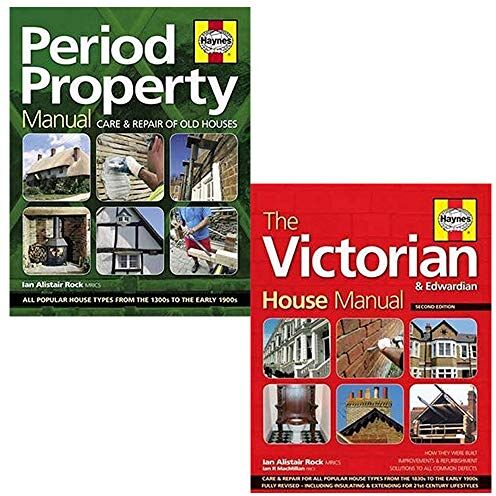
J H Haynes & Co Ltd Haynes Property Manual 2 Books Collection Set (The Victorian House, Period Property)The Victorian House Manual The Victorian House Manual (2nd Edition): How They Were Built, Improvements & Refurbishment, Solutions to All Common Defects Thinking of buying a Victorian or Edwardian house? Or maybe you already own one? Either way, this clearly written manual explains all you need to know about the care and repair of these classic properties. Today, many houses of this age are in need of extensive updating and maintenance, having suffered years of neglect. Some have been damaged by misguided home improvements or botched repairs using the wrong materials. Even newly refurbished properties can sometimes conceal dangerous structural alterations and shoddy build-quality. This unique manual provides detailed, expert advice, backed up with clear how to colour photographs, describing where to check for the critical danger signs and how to fix all common defects. Period Property Britain has a wonderfully rich stock of period houses - everything from medieval cottages to Georgian townhouses and Edwardian mansions. But many of these historic properties are now at risk. Some are unwittingly damaged by well-meaning owners or incompetent builders; others suffer long-term deterioration where mortgage lenders have imposed quick-fix 'remedies'. Despite being some of the most sustainable buildings on the planet, many old houses are now being subjected to ill-advised works to upgrade thermal efficiency, resulting in the destruction of the very qualities that make them so appealing, slashing their values. Haynes have come to the rescue with this clearly written, lavishly illustrated manual explaining the correct approach to care and repair - covering the full range of traditional materials. Every old house has a story to tell, so Haynes also show how to explore your home's history and strip back modern finishes to reveal long lost original features. This comprehensive manual is essential reading whether you want to get your hands dirty or just want to understand how old houses work and how to go about employing specialist craftsmen.19,99 £*Shipping: 2,99 £Secure redirect to the provider
-
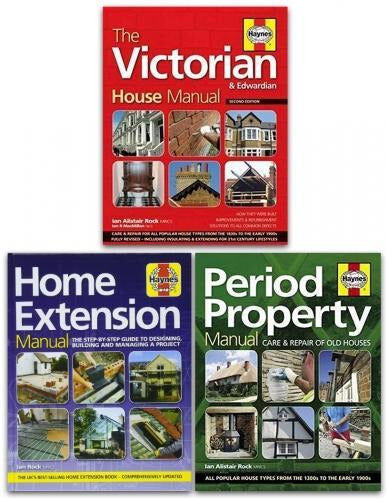
J H Haynes & Co Ltd Haynes Property Manual 3 Books Collection Set Home Extension The Victorian House Period PropertyTitles In this Set: The Victorian House Manual Home Extension Period Property The Victorian House Manual The Victorian House Manual (2nd Edition): How They Were Built, Improvements & Refurbishment, Solutions to All Common Defects Thinking of buying a Victorian or Edwardian house? Or maybe you already own one? Either way, this clearly written manual explains all you need to know about the care and repair of these classic properties. Today, many houses of this age are in need of extensive updating and maintenance, having suffered years of neglect. Some have been damaged by misguided home improvements or botched repairs using the wrong materials. Even newly refurbished properties can sometimes conceal dangerous structural alterations and shoddy build-quality. This unique manual provides detailed, expert advice, backed up with clear how to colour photographs, describing where to check for the critical danger signs and how to fix all common defects. Home ExtensionMany people are looking at ways to extend their homes rather than move house, but `getting the builders in' can be a recipe for disaster unless you really know what you are doing. Whether you plan to employ a building contractor or tackle some of the works yourself, this best-selling manual will show you how to stay firmly in control, resulting in a high-quality extension, completed on time and within budget. This new edition will include all the up-do-date information on complying with the latest Building Regs and Planning requirements, CAD design, energy-efficiency, under floor heating, bi-folds, liquid screeds, woodburning stoves and renewable energy. Period Property Britain has a wonderfully rich stock of period houses - everything from medieval cottages to Georgian townhouses and Edwardian mansions. But many of these historic properties are now at risk. Some are unwittingly damaged by well-meaning owners or incompetent builders; others suffer long-term deterioration where mortgage lenders have imposed quick-fix 'remedies'. Despite being some of the most sustainable buildings on the planet, many old houses are now being subjected to ill-advised works to upgrade thermal efficiency, resulting in the destruction of the very qualities that make them so appealing, slashing their values. Haynes have come to the rescue with this clearly written, lavishly illustrated manual explaining the correct approach to care and repair - covering the full range of traditional materials. Every old house has a story to tell, so Haynes also show how to explore your home's history and strip back modern finishes to reveal long lost original features. This comprehensive manual is essential reading whether you want to get your hands dirty or just want to understand how old houses work and how to go about employing specialist craftsmen.24,99 £*Shipping: 2,99 £Secure redirect to the provider
-
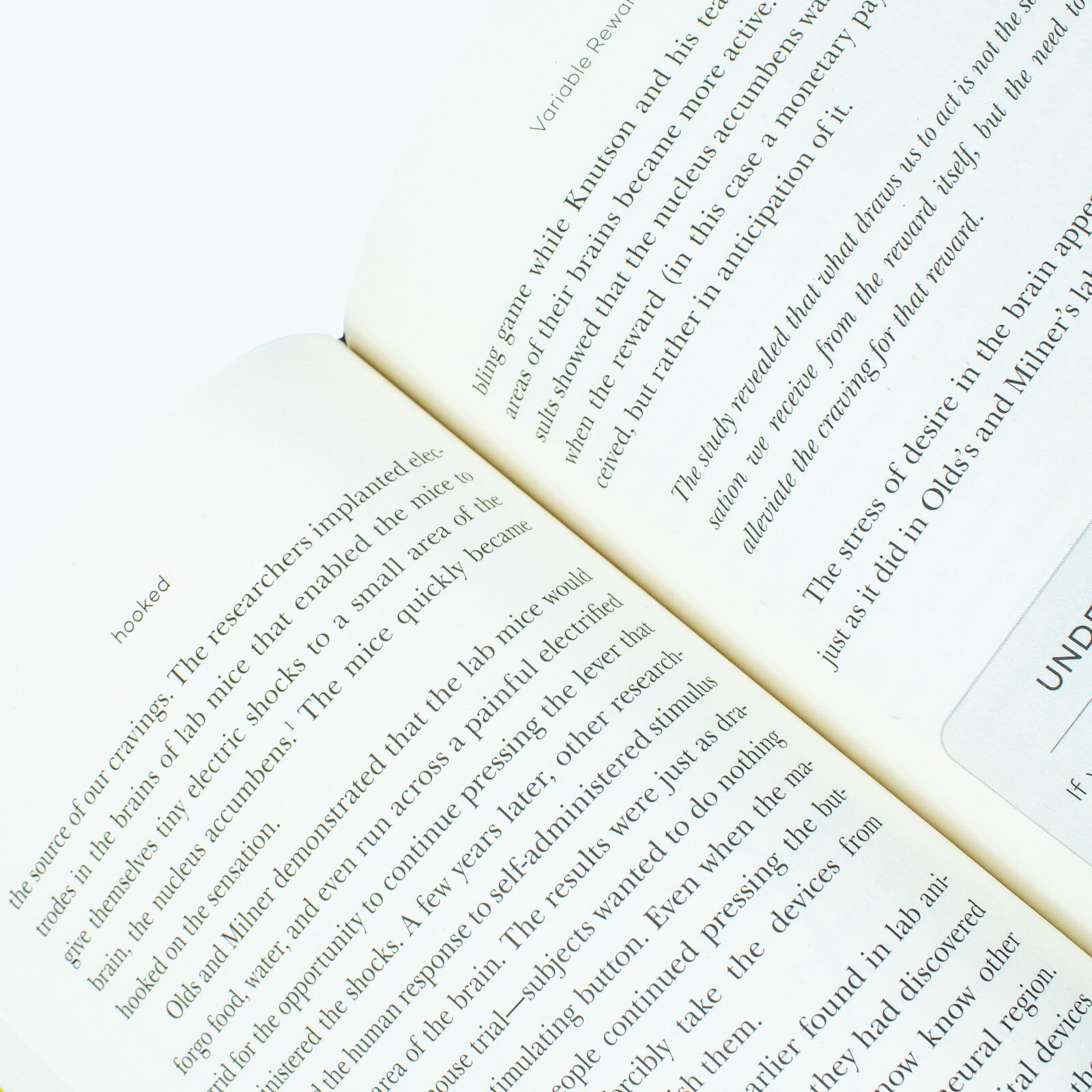
Portfolio Penguin Hooked: How to Build Habit-Forming Products by Nir EyalNir Eyal reveals how successful companies create products people can't put down - and how you can tooWhy do some products capture our attention while others flop? What makes us engage with certain things out of sheer habit? Is there an underlying pattern to how technologies hook us?Nir Eyal answers these questions (and many more) with the Hook Model - a four-step process that, when embedded into products, subtly encourages customer behaviour. Through consecutive "hook cycles," these products bring people back again and again without depending on costly advertising or aggressive messaging.Hooked is based on Eyal's years of research, consulting, and practical experience. He wrote the book he wished had been available to him as a start-up founder - not abstract theory, but a how-to guide for building better products. Hooked is written for product managers, designers, marketers, start-up founders, and anyone who seeks to understand how products influence our behaviour.Eyal provides readers with practical insights to create user habits that stick; actionable steps for building products people love; and riveting examples from the iPhone to Twitter, Pinterest and the Bible App.7,98 £*Shipping: 2,99 £Secure redirect to the provider
-
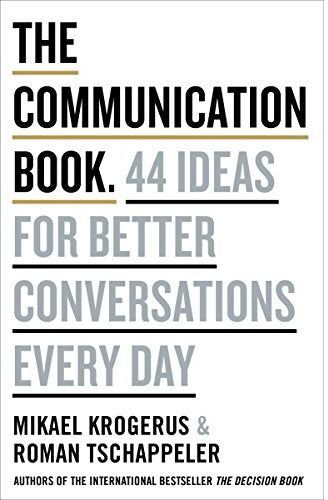
Portfolio Penguin The Communication Book: 44 Ideas for Better Conversations Every DayLEARN THE TECHNIQUES YOU NEED TO COMMUNICATE BETTER AT WORK AND HOME 'Communication is a bit like love - it's what makes the world go round, but nobody really knows how it works.' Struggle to find the words in meetings? Know what you mean but not how to say it? From Aristotle's thoughts on presenting to the Harvard Negotiation Project, internationally bestselling duo Mikael Krogerus and Roman Tschäppeler have 44 tried and tested ideas to change that. Distilled into a single volume, their winning marriage of practicality and humour turns seemingly difficult ideas into clear and entertaining diagrams that will help you: -Brush up on your listening skills and small talk -Run better meetings -Improve the conversations in your head Whether you're a CEO, just starting out or want to improve your relationships at home, this guide will improve your communication skills and help you form more meaningful connections.6,99 £*Shipping: 2,99 £Secure redirect to the provider
-
What are biotic factors in the Antarctic?
Biotic factors in the Antarctic include various species of algae, mosses, lichens, and other plants that are able to survive in the extreme cold and harsh conditions. Additionally, there are a variety of animal species such as penguins, seals, and various types of birds that have adapted to the Antarctic environment. These biotic factors play a crucial role in the Antarctic ecosystem, contributing to the overall biodiversity and functioning of the region. **
-
What biotic factors characterize the desert habitat?
Biotic factors in the desert habitat include a variety of plant species that have adapted to the arid conditions, such as cacti, succulents, and drought-resistant shrubs. In addition, desert habitats are home to a diverse range of animal species, including reptiles like snakes and lizards, mammals like coyotes and kangaroo rats, and birds like roadrunners and owls. These biotic factors have evolved to survive in the harsh desert environment, often with specialized adaptations for conserving water and finding food in the sparse landscape. **
-
What are biotic factors in the mangrove swamp?
Biotic factors in the mangrove swamp include various plant species such as mangrove trees, shrubs, and grasses that provide habitat and food for a diverse range of animals. These animals include crabs, snails, insects, birds, and fish that rely on the mangrove ecosystem for shelter, food, and breeding grounds. Bacteria and fungi also play a crucial role in breaking down organic matter and recycling nutrients within the mangrove swamp. Overall, the interactions between these biotic factors contribute to the overall health and functioning of the mangrove ecosystem. **
-
What are abiotic and biotic factors for humans?
Abiotic factors for humans include non-living elements such as air quality, temperature, and sunlight exposure. These factors can directly impact human health and well-being. Biotic factors for humans involve living organisms that interact with humans, such as pathogens, parasites, and symbiotic organisms like gut bacteria. These factors can also have significant effects on human health and disease. **


What are biotic factors in the Wadden Sea?
Biotic factors in the Wadden Sea include a wide variety of living organisms such as marine plants, algae, and phytoplankton, as well as invertebrates like mussels, clams, and worms. The Wadden Sea is also home to numerous species of fish, birds, and mammals, all of which contribute to the complex and diverse ecosystem of the area. These biotic factors play crucial roles in the food web, nutrient cycling, and overall ecological balance of the Wadden Sea. **
Which biotic and abiotic factors influence the sea?
Biotic factors that influence the sea include the presence of marine plants and animals, which contribute to the overall ecosystem and food web. These organisms play a crucial role in the health and balance of the marine environment. Abiotic factors such as temperature, sunlight, water chemistry, and currents also have a significant impact on the sea. These factors affect the physical and chemical properties of the water, as well as the distribution and behavior of marine life. Overall, both biotic and abiotic factors play a crucial role in shaping the marine environment and its inhabitants. **
Top-Angebote
Products related to Biotic:
-
Dermalogica Breakout Biotic Moisturiser 50mlDermalogica's daily gel targets and helps prevent breakouts. The lightweight moisturiser, with a prebiotic blend hydrates and supports skin’s microbiome, helping ageing skin look healthier, now and in the future. Formulated for adult skin, it hydrates while helping to reduce breakouts and post-breakout marks. The difference? It supports the skin’s microbiome, not just clears the surface. Clinical Results - Visible improvement in 20 minutes* - Clinically proven: clearer-looking skin in 5 days* - Helps reduce breakouts and prevent future ones - Balances oil and supports a healthy skin barrier - Lightweight, non-greasy texture that layers easily *independent clinical results. Based on a 6 week study with 31 volunteers, 2 applications/day Key Ingredients Bioengineered Plankton Extract and Glycerin hydrate skin’s barrier, helping to defend against signs of premature ageing and soothe skin. A prebiotic blend with Indian Mulberry, Glutamic Acid, and Agave-derived Inulin hydrates and helps balance skin’s microbiome. Salicylic Acid reduces breakouts by exfoliating away dead skin cells, helping to keep pores clear and prevent future breakouts. Niacinamide and Jojoba strengthen the skin barrier, helping to reduce the look of pores and post-blemish marks to brighten and smooth. Manuka and Magnolia extracts visibly reduce sebum for more balanced skin. *independent clinical results. Based on a 6 week study with 31 volunteers, 2 applications/day Ingredients Water/Aqua/Eau, Butylene Glycol, Propanediol, Niacinamide, Octyldodecanol, Ethylhexyl Olivate, Glycerin, Erythritol, Inulin, Cetearyl Olivate, Salicylic Acid, Lavandula Angustifolia (Lavender) Oil, Lavandula Hybrida Oil, Citrus Limon (Lemon) Peel Oil, Salvia Sclarea (Clary) Oil, Hydrolyzed Jojoba Esters, Morinda Citrifolia Fruit Extract, Leptospermum Scoparium Branch/Leaf Oil, Phaeodactylum Tricornutum Extract, Magnolia Officinalis Bark Extract, Piper Nigrum (Pepper) Seed Extract, Rosmarinus Officinalis (Rosemary)69,00 £*Shipping: 0,00 £Secure redirect to the provider
-
J H Haynes & Co Ltd Haynes Property Manual 2 Books Collection Set (The Victorian House, Period Property)The Victorian House Manual The Victorian House Manual (2nd Edition): How They Were Built, Improvements & Refurbishment, Solutions to All Common Defects Thinking of buying a Victorian or Edwardian house? Or maybe you already own one? Either way, this clearly written manual explains all you need to know about the care and repair of these classic properties. Today, many houses of this age are in need of extensive updating and maintenance, having suffered years of neglect. Some have been damaged by misguided home improvements or botched repairs using the wrong materials. Even newly refurbished properties can sometimes conceal dangerous structural alterations and shoddy build-quality. This unique manual provides detailed, expert advice, backed up with clear how to colour photographs, describing where to check for the critical danger signs and how to fix all common defects. Period Property Britain has a wonderfully rich stock of period houses - everything from medieval cottages to Georgian townhouses and Edwardian mansions. But many of these historic properties are now at risk. Some are unwittingly damaged by well-meaning owners or incompetent builders; others suffer long-term deterioration where mortgage lenders have imposed quick-fix 'remedies'. Despite being some of the most sustainable buildings on the planet, many old houses are now being subjected to ill-advised works to upgrade thermal efficiency, resulting in the destruction of the very qualities that make them so appealing, slashing their values. Haynes have come to the rescue with this clearly written, lavishly illustrated manual explaining the correct approach to care and repair - covering the full range of traditional materials. Every old house has a story to tell, so Haynes also show how to explore your home's history and strip back modern finishes to reveal long lost original features. This comprehensive manual is essential reading whether you want to get your hands dirty or just want to understand how old houses work and how to go about employing specialist craftsmen.19,99 £*Shipping: 2,99 £Secure redirect to the provider
-
J H Haynes & Co Ltd Haynes Property Manual 3 Books Collection Set Home Extension The Victorian House Period PropertyTitles In this Set: The Victorian House Manual Home Extension Period Property The Victorian House Manual The Victorian House Manual (2nd Edition): How They Were Built, Improvements & Refurbishment, Solutions to All Common Defects Thinking of buying a Victorian or Edwardian house? Or maybe you already own one? Either way, this clearly written manual explains all you need to know about the care and repair of these classic properties. Today, many houses of this age are in need of extensive updating and maintenance, having suffered years of neglect. Some have been damaged by misguided home improvements or botched repairs using the wrong materials. Even newly refurbished properties can sometimes conceal dangerous structural alterations and shoddy build-quality. This unique manual provides detailed, expert advice, backed up with clear how to colour photographs, describing where to check for the critical danger signs and how to fix all common defects. Home ExtensionMany people are looking at ways to extend their homes rather than move house, but `getting the builders in' can be a recipe for disaster unless you really know what you are doing. Whether you plan to employ a building contractor or tackle some of the works yourself, this best-selling manual will show you how to stay firmly in control, resulting in a high-quality extension, completed on time and within budget. This new edition will include all the up-do-date information on complying with the latest Building Regs and Planning requirements, CAD design, energy-efficiency, under floor heating, bi-folds, liquid screeds, woodburning stoves and renewable energy. Period Property Britain has a wonderfully rich stock of period houses - everything from medieval cottages to Georgian townhouses and Edwardian mansions. But many of these historic properties are now at risk. Some are unwittingly damaged by well-meaning owners or incompetent builders; others suffer long-term deterioration where mortgage lenders have imposed quick-fix 'remedies'. Despite being some of the most sustainable buildings on the planet, many old houses are now being subjected to ill-advised works to upgrade thermal efficiency, resulting in the destruction of the very qualities that make them so appealing, slashing their values. Haynes have come to the rescue with this clearly written, lavishly illustrated manual explaining the correct approach to care and repair - covering the full range of traditional materials. Every old house has a story to tell, so Haynes also show how to explore your home's history and strip back modern finishes to reveal long lost original features. This comprehensive manual is essential reading whether you want to get your hands dirty or just want to understand how old houses work and how to go about employing specialist craftsmen.24,99 £*Shipping: 2,99 £Secure redirect to the provider
-
What are biotic factors in Antarctica?
Biotic factors in Antarctica include various species of plants, algae, lichens, fungi, and bacteria that have adapted to the extreme cold temperatures and harsh conditions of the continent. Some examples of biotic factors in Antarctica include mosses, grasses, and lichens that can be found in certain ice-free areas, as well as penguins, seals, and seabirds that inhabit the surrounding waters. These organisms play a crucial role in the Antarctic ecosystem, contributing to the overall biodiversity and functioning of the region. **
-
What are biotic factors in the garden?
Biotic factors in the garden are living organisms that play a role in the ecosystem. This includes plants, animals, insects, fungi, and bacteria. These organisms interact with each other and with the non-living elements in the garden, such as soil and water, to create a balanced and healthy environment. Biotic factors contribute to the overall biodiversity and sustainability of the garden ecosystem. **
-
What are biotic factors in the Antarctic?
Biotic factors in the Antarctic include various species of algae, mosses, lichens, and other plants that are able to survive in the extreme cold and harsh conditions. Additionally, there are a variety of animal species such as penguins, seals, and various types of birds that have adapted to the Antarctic environment. These biotic factors play a crucial role in the Antarctic ecosystem, contributing to the overall biodiversity and functioning of the region. **
-
What biotic factors characterize the desert habitat?
Biotic factors in the desert habitat include a variety of plant species that have adapted to the arid conditions, such as cacti, succulents, and drought-resistant shrubs. In addition, desert habitats are home to a diverse range of animal species, including reptiles like snakes and lizards, mammals like coyotes and kangaroo rats, and birds like roadrunners and owls. These biotic factors have evolved to survive in the harsh desert environment, often with specialized adaptations for conserving water and finding food in the sparse landscape. **
Similar search terms for Biotic
-
Portfolio Penguin Hooked: How to Build Habit-Forming Products by Nir EyalNir Eyal reveals how successful companies create products people can't put down - and how you can tooWhy do some products capture our attention while others flop? What makes us engage with certain things out of sheer habit? Is there an underlying pattern to how technologies hook us?Nir Eyal answers these questions (and many more) with the Hook Model - a four-step process that, when embedded into products, subtly encourages customer behaviour. Through consecutive "hook cycles," these products bring people back again and again without depending on costly advertising or aggressive messaging.Hooked is based on Eyal's years of research, consulting, and practical experience. He wrote the book he wished had been available to him as a start-up founder - not abstract theory, but a how-to guide for building better products. Hooked is written for product managers, designers, marketers, start-up founders, and anyone who seeks to understand how products influence our behaviour.Eyal provides readers with practical insights to create user habits that stick; actionable steps for building products people love; and riveting examples from the iPhone to Twitter, Pinterest and the Bible App.7,98 £*Shipping: 2,99 £Secure redirect to the provider
-
Portfolio Penguin The Communication Book: 44 Ideas for Better Conversations Every DayLEARN THE TECHNIQUES YOU NEED TO COMMUNICATE BETTER AT WORK AND HOME 'Communication is a bit like love - it's what makes the world go round, but nobody really knows how it works.' Struggle to find the words in meetings? Know what you mean but not how to say it? From Aristotle's thoughts on presenting to the Harvard Negotiation Project, internationally bestselling duo Mikael Krogerus and Roman Tschäppeler have 44 tried and tested ideas to change that. Distilled into a single volume, their winning marriage of practicality and humour turns seemingly difficult ideas into clear and entertaining diagrams that will help you: -Brush up on your listening skills and small talk -Run better meetings -Improve the conversations in your head Whether you're a CEO, just starting out or want to improve your relationships at home, this guide will improve your communication skills and help you form more meaningful connections.6,99 £*Shipping: 2,99 £Secure redirect to the provider
-
"Stupell Merry Christmas Cardinals Outdoor Door Mat, design by Dogwood Portfolio, 18""x30"""Bring the timeless charm of natural fibers to your space with our woven imitation sisal mats — designed to offer the rich texture of sisal without sacrificing performance.40,66 $*Shipping: 0,00 $Secure redirect to the provider
-
What are biotic factors in the mangrove swamp?
Biotic factors in the mangrove swamp include various plant species such as mangrove trees, shrubs, and grasses that provide habitat and food for a diverse range of animals. These animals include crabs, snails, insects, birds, and fish that rely on the mangrove ecosystem for shelter, food, and breeding grounds. Bacteria and fungi also play a crucial role in breaking down organic matter and recycling nutrients within the mangrove swamp. Overall, the interactions between these biotic factors contribute to the overall health and functioning of the mangrove ecosystem. **
-
What are abiotic and biotic factors for humans?
Abiotic factors for humans include non-living elements such as air quality, temperature, and sunlight exposure. These factors can directly impact human health and well-being. Biotic factors for humans involve living organisms that interact with humans, such as pathogens, parasites, and symbiotic organisms like gut bacteria. These factors can also have significant effects on human health and disease. **
-
What are biotic factors in the Wadden Sea?
Biotic factors in the Wadden Sea include a wide variety of living organisms such as marine plants, algae, and phytoplankton, as well as invertebrates like mussels, clams, and worms. The Wadden Sea is also home to numerous species of fish, birds, and mammals, all of which contribute to the complex and diverse ecosystem of the area. These biotic factors play crucial roles in the food web, nutrient cycling, and overall ecological balance of the Wadden Sea. **
-
Which biotic and abiotic factors influence the sea?
Biotic factors that influence the sea include the presence of marine plants and animals, which contribute to the overall ecosystem and food web. These organisms play a crucial role in the health and balance of the marine environment. Abiotic factors such as temperature, sunlight, water chemistry, and currents also have a significant impact on the sea. These factors affect the physical and chemical properties of the water, as well as the distribution and behavior of marine life. Overall, both biotic and abiotic factors play a crucial role in shaping the marine environment and its inhabitants. **
* All prices are inclusive of VAT and, if applicable, plus shipping costs. The offer information is based on the details provided by the respective shop and is updated through automated processes. Real-time updates do not occur, so deviations can occur in individual cases. ** Note: Parts of this content were created by AI.