Buy immobilieninvestors.eu ?
We are moving the project
immobilieninvestors.eu .
Are you interested in purchasing the domain
immobilieninvestors.eu ?
domain@kv-gmbh.de · 0541-91531010
Buy immobilieninvestors.eu ?
What are diverging plate tsunamis?
Diverging plate tsunamis are caused by the movement of tectonic plates away from each other, creating a gap or rift in the ocean floor. This movement can displace a large volume of water, triggering a tsunami. Diverging plate tsunamis are less common than subduction zone tsunamis, which occur when tectonic plates collide. However, they can still be powerful and destructive, especially in regions where divergent plate boundaries are active, such as the East African Rift. **
Why do short-sighted people need diverging lenses?
Short-sighted people, also known as myopic individuals, have difficulty seeing distant objects clearly. This is because their eyes focus the image in front of the retina instead of directly on it. Diverging lenses are used to correct this by spreading out the light rays before they enter the eye, allowing the image to be focused correctly on the retina. This helps to improve the clarity of distant vision for short-sighted individuals. **
Similar search terms for Diverging
Top-Angebote
Products related to Diverging:
-
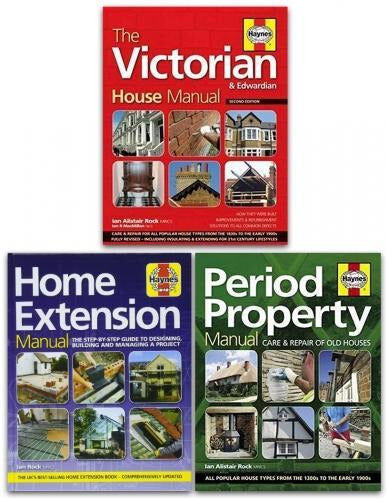
J H Haynes & Co Ltd Haynes Property Manual 3 Books Collection Set Home Extension The Victorian House Period PropertyTitles In this Set: The Victorian House Manual Home Extension Period Property The Victorian House Manual The Victorian House Manual (2nd Edition): How They Were Built, Improvements & Refurbishment, Solutions to All Common Defects Thinking of buying a Victorian or Edwardian house? Or maybe you already own one? Either way, this clearly written manual explains all you need to know about the care and repair of these classic properties. Today, many houses of this age are in need of extensive updating and maintenance, having suffered years of neglect. Some have been damaged by misguided home improvements or botched repairs using the wrong materials. Even newly refurbished properties can sometimes conceal dangerous structural alterations and shoddy build-quality. This unique manual provides detailed, expert advice, backed up with clear how to colour photographs, describing where to check for the critical danger signs and how to fix all common defects. Home ExtensionMany people are looking at ways to extend their homes rather than move house, but `getting the builders in' can be a recipe for disaster unless you really know what you are doing. Whether you plan to employ a building contractor or tackle some of the works yourself, this best-selling manual will show you how to stay firmly in control, resulting in a high-quality extension, completed on time and within budget. This new edition will include all the up-do-date information on complying with the latest Building Regs and Planning requirements, CAD design, energy-efficiency, under floor heating, bi-folds, liquid screeds, woodburning stoves and renewable energy. Period Property Britain has a wonderfully rich stock of period houses - everything from medieval cottages to Georgian townhouses and Edwardian mansions. But many of these historic properties are now at risk. Some are unwittingly damaged by well-meaning owners or incompetent builders; others suffer long-term deterioration where mortgage lenders have imposed quick-fix 'remedies'. Despite being some of the most sustainable buildings on the planet, many old houses are now being subjected to ill-advised works to upgrade thermal efficiency, resulting in the destruction of the very qualities that make them so appealing, slashing their values. Haynes have come to the rescue with this clearly written, lavishly illustrated manual explaining the correct approach to care and repair - covering the full range of traditional materials. Every old house has a story to tell, so Haynes also show how to explore your home's history and strip back modern finishes to reveal long lost original features. This comprehensive manual is essential reading whether you want to get your hands dirty or just want to understand how old houses work and how to go about employing specialist craftsmen.24,99 £*Shipping: 2,99 £Secure redirect to the provider
-
KALATY Portfolio Storm Gray HandMade Area RugWelcome guests to your home with the rich grey pattern and hand-woven design of this runner rug. Made of premium wool and Silkette, this runner is durable yet also has a lovely transitional style.595,99 $*Shipping: 0,00 $Secure redirect to the provider
-
NARS Sparked Liquid Eyeshadow liquid glitter eyeshadow shade HOT PROPERTY 3.5 mlNARS Sparked Liquid Eyeshadow, 3.5 ml, Eyeshadows for Women, Do you tend to hit the same few shades in your favourite eyeshadow palette but you just can’t do without them? Or are you travelling and can only fit the essentials in your toiletry bag? Thanks to its compact size, the NARS Sparked Liquid Eyeshadow eyeshadow won’t take up much room, so you can always have it on hand, be it by itself in your purse or as an accessory to your favourite palette. This allows you to give your lids a pop of colour or define the shape of your eyes to your liking, giving every makeup look a new dimension, no matter what your reason for getting them is. The formula ensures even pigment coverage, easy application and seamless blending without unwanted harsh transitions. Characteristics: long-lasting do not smudge in the crease of the eyelid washes out easily sparkling effect ophthalmologically tested30,80 £*Shipping: 3,99 £Secure redirect to the provider


-
What are the properties of diverging and converging lenses?
Diverging lenses are thinner at the center than at the edges and cause parallel light rays to spread out, or diverge. This results in the formation of virtual images that are always upright and smaller than the object. Converging lenses are thicker at the center than at the edges and cause parallel light rays to converge to a focal point. This results in the formation of real images that can be either upright or inverted, depending on the object's distance from the lens. **
-
Is the converging lens the same as the diverging lens?
No, a converging lens and a diverging lens are not the same. A converging lens is thicker in the middle and causes parallel rays of light to converge at a focal point, while a diverging lens is thinner in the middle and causes parallel rays of light to diverge. Converging lenses are used to create real images, while diverging lenses are used to create virtual images. Therefore, the two types of lenses have different optical properties and applications. **
-
What is the difference between a converging lens and a diverging lens?
A converging lens is thicker in the middle and thinner at the edges, causing light rays to converge at a focal point. This type of lens is often used in cameras and microscopes. On the other hand, a diverging lens is thinner in the middle and thicker at the edges, causing light rays to diverge. This type of lens is often used in correcting nearsightedness in eyeglasses. In summary, the main difference between the two types of lenses is how they bend light rays - converging lenses bring light rays together, while diverging lenses spread them apart. **
-
Are the differences in IQ between countries really only due to diverging education systems?
While education systems certainly play a significant role in shaping IQ levels within a country, they are not the sole factor responsible for differences in IQ between countries. Other factors such as genetics, socio-economic status, nutrition, healthcare, and cultural differences can also contribute to variations in IQ levels. Additionally, access to resources, quality of education, and societal attitudes towards learning can vary widely between countries, further influencing IQ disparities. Therefore, it is important to consider a range of factors when analyzing differences in IQ between countries, rather than attributing it solely to education systems. **

What are the differences and similarities between a converging lens and a diverging lens?
The main difference between a converging lens and a diverging lens is their ability to converge or diverge light rays. A converging lens, also known as a convex lens, causes parallel light rays to converge at a focal point, while a diverging lens, also known as a concave lens, causes parallel light rays to diverge. Both lenses have a focal point and focal length, but the converging lens has a real focal point, while the diverging lens has a virtual focal point. Additionally, converging lenses produce real and inverted images, while diverging lenses produce virtual and upright images. **
What is the difference in shape between a converging lens and a diverging lens?
A converging lens is thicker in the middle and thinner at the edges, causing light rays to converge at a focal point. In contrast, a diverging lens is thinner in the middle and thicker at the edges, causing light rays to diverge away from a focal point. This difference in shape results in the converging lens being able to focus light to a point, while the diverging lens spreads out light. **
Top-Angebote
Products related to Diverging:
-
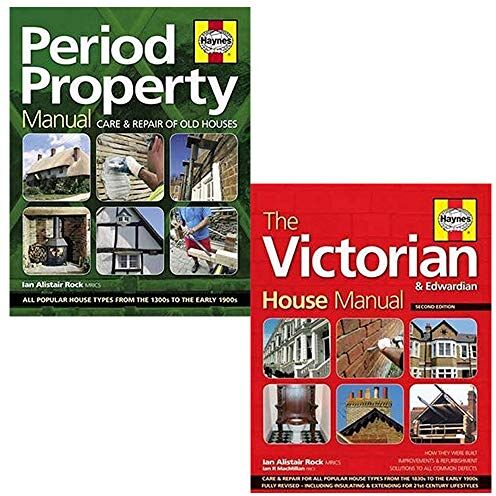
J H Haynes & Co Ltd Haynes Property Manual 2 Books Collection Set (The Victorian House, Period Property)The Victorian House Manual The Victorian House Manual (2nd Edition): How They Were Built, Improvements & Refurbishment, Solutions to All Common Defects Thinking of buying a Victorian or Edwardian house? Or maybe you already own one? Either way, this clearly written manual explains all you need to know about the care and repair of these classic properties. Today, many houses of this age are in need of extensive updating and maintenance, having suffered years of neglect. Some have been damaged by misguided home improvements or botched repairs using the wrong materials. Even newly refurbished properties can sometimes conceal dangerous structural alterations and shoddy build-quality. This unique manual provides detailed, expert advice, backed up with clear how to colour photographs, describing where to check for the critical danger signs and how to fix all common defects. Period Property Britain has a wonderfully rich stock of period houses - everything from medieval cottages to Georgian townhouses and Edwardian mansions. But many of these historic properties are now at risk. Some are unwittingly damaged by well-meaning owners or incompetent builders; others suffer long-term deterioration where mortgage lenders have imposed quick-fix 'remedies'. Despite being some of the most sustainable buildings on the planet, many old houses are now being subjected to ill-advised works to upgrade thermal efficiency, resulting in the destruction of the very qualities that make them so appealing, slashing their values. Haynes have come to the rescue with this clearly written, lavishly illustrated manual explaining the correct approach to care and repair - covering the full range of traditional materials. Every old house has a story to tell, so Haynes also show how to explore your home's history and strip back modern finishes to reveal long lost original features. This comprehensive manual is essential reading whether you want to get your hands dirty or just want to understand how old houses work and how to go about employing specialist craftsmen.19,99 £*Shipping: 2,99 £Secure redirect to the provider
-
J H Haynes & Co Ltd Haynes Property Manual 3 Books Collection Set Home Extension The Victorian House Period PropertyTitles In this Set: The Victorian House Manual Home Extension Period Property The Victorian House Manual The Victorian House Manual (2nd Edition): How They Were Built, Improvements & Refurbishment, Solutions to All Common Defects Thinking of buying a Victorian or Edwardian house? Or maybe you already own one? Either way, this clearly written manual explains all you need to know about the care and repair of these classic properties. Today, many houses of this age are in need of extensive updating and maintenance, having suffered years of neglect. Some have been damaged by misguided home improvements or botched repairs using the wrong materials. Even newly refurbished properties can sometimes conceal dangerous structural alterations and shoddy build-quality. This unique manual provides detailed, expert advice, backed up with clear how to colour photographs, describing where to check for the critical danger signs and how to fix all common defects. Home ExtensionMany people are looking at ways to extend their homes rather than move house, but `getting the builders in' can be a recipe for disaster unless you really know what you are doing. Whether you plan to employ a building contractor or tackle some of the works yourself, this best-selling manual will show you how to stay firmly in control, resulting in a high-quality extension, completed on time and within budget. This new edition will include all the up-do-date information on complying with the latest Building Regs and Planning requirements, CAD design, energy-efficiency, under floor heating, bi-folds, liquid screeds, woodburning stoves and renewable energy. Period Property Britain has a wonderfully rich stock of period houses - everything from medieval cottages to Georgian townhouses and Edwardian mansions. But many of these historic properties are now at risk. Some are unwittingly damaged by well-meaning owners or incompetent builders; others suffer long-term deterioration where mortgage lenders have imposed quick-fix 'remedies'. Despite being some of the most sustainable buildings on the planet, many old houses are now being subjected to ill-advised works to upgrade thermal efficiency, resulting in the destruction of the very qualities that make them so appealing, slashing their values. Haynes have come to the rescue with this clearly written, lavishly illustrated manual explaining the correct approach to care and repair - covering the full range of traditional materials. Every old house has a story to tell, so Haynes also show how to explore your home's history and strip back modern finishes to reveal long lost original features. This comprehensive manual is essential reading whether you want to get your hands dirty or just want to understand how old houses work and how to go about employing specialist craftsmen.24,99 £*Shipping: 2,99 £Secure redirect to the provider
-
KALATY Portfolio Storm Gray HandMade Area RugWelcome guests to your home with the rich grey pattern and hand-woven design of this runner rug. Made of premium wool and Silkette, this runner is durable yet also has a lovely transitional style.595,99 $*Shipping: 0,00 $Secure redirect to the provider
-
What are diverging plate tsunamis?
Diverging plate tsunamis are caused by the movement of tectonic plates away from each other, creating a gap or rift in the ocean floor. This movement can displace a large volume of water, triggering a tsunami. Diverging plate tsunamis are less common than subduction zone tsunamis, which occur when tectonic plates collide. However, they can still be powerful and destructive, especially in regions where divergent plate boundaries are active, such as the East African Rift. **
-
Why do short-sighted people need diverging lenses?
Short-sighted people, also known as myopic individuals, have difficulty seeing distant objects clearly. This is because their eyes focus the image in front of the retina instead of directly on it. Diverging lenses are used to correct this by spreading out the light rays before they enter the eye, allowing the image to be focused correctly on the retina. This helps to improve the clarity of distant vision for short-sighted individuals. **
-
What are the properties of diverging and converging lenses?
Diverging lenses are thinner at the center than at the edges and cause parallel light rays to spread out, or diverge. This results in the formation of virtual images that are always upright and smaller than the object. Converging lenses are thicker at the center than at the edges and cause parallel light rays to converge to a focal point. This results in the formation of real images that can be either upright or inverted, depending on the object's distance from the lens. **
-
Is the converging lens the same as the diverging lens?
No, a converging lens and a diverging lens are not the same. A converging lens is thicker in the middle and causes parallel rays of light to converge at a focal point, while a diverging lens is thinner in the middle and causes parallel rays of light to diverge. Converging lenses are used to create real images, while diverging lenses are used to create virtual images. Therefore, the two types of lenses have different optical properties and applications. **
Similar search terms for Diverging
-
NARS Sparked Liquid Eyeshadow liquid glitter eyeshadow shade HOT PROPERTY 3.5 mlNARS Sparked Liquid Eyeshadow, 3.5 ml, Eyeshadows for Women, Do you tend to hit the same few shades in your favourite eyeshadow palette but you just can’t do without them? Or are you travelling and can only fit the essentials in your toiletry bag? Thanks to its compact size, the NARS Sparked Liquid Eyeshadow eyeshadow won’t take up much room, so you can always have it on hand, be it by itself in your purse or as an accessory to your favourite palette. This allows you to give your lids a pop of colour or define the shape of your eyes to your liking, giving every makeup look a new dimension, no matter what your reason for getting them is. The formula ensures even pigment coverage, easy application and seamless blending without unwanted harsh transitions. Characteristics: long-lasting do not smudge in the crease of the eyelid washes out easily sparkling effect ophthalmologically tested30,80 £*Shipping: 3,99 £Secure redirect to the provider
-
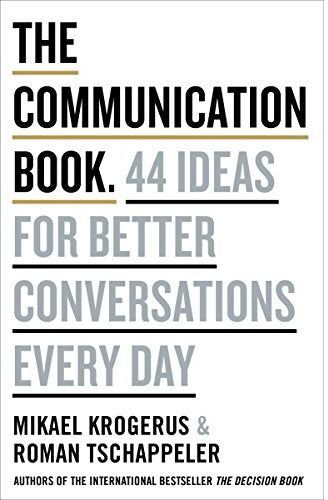
Portfolio Penguin The Communication Book: 44 Ideas for Better Conversations Every DayLEARN THE TECHNIQUES YOU NEED TO COMMUNICATE BETTER AT WORK AND HOME 'Communication is a bit like love - it's what makes the world go round, but nobody really knows how it works.' Struggle to find the words in meetings? Know what you mean but not how to say it? From Aristotle's thoughts on presenting to the Harvard Negotiation Project, internationally bestselling duo Mikael Krogerus and Roman Tschäppeler have 44 tried and tested ideas to change that. Distilled into a single volume, their winning marriage of practicality and humour turns seemingly difficult ideas into clear and entertaining diagrams that will help you: -Brush up on your listening skills and small talk -Run better meetings -Improve the conversations in your head Whether you're a CEO, just starting out or want to improve your relationships at home, this guide will improve your communication skills and help you form more meaningful connections.6,99 £*Shipping: 2,99 £Secure redirect to the provider
-
What is the difference between a converging lens and a diverging lens?
A converging lens is thicker in the middle and thinner at the edges, causing light rays to converge at a focal point. This type of lens is often used in cameras and microscopes. On the other hand, a diverging lens is thinner in the middle and thicker at the edges, causing light rays to diverge. This type of lens is often used in correcting nearsightedness in eyeglasses. In summary, the main difference between the two types of lenses is how they bend light rays - converging lenses bring light rays together, while diverging lenses spread them apart. **
-
Are the differences in IQ between countries really only due to diverging education systems?
While education systems certainly play a significant role in shaping IQ levels within a country, they are not the sole factor responsible for differences in IQ between countries. Other factors such as genetics, socio-economic status, nutrition, healthcare, and cultural differences can also contribute to variations in IQ levels. Additionally, access to resources, quality of education, and societal attitudes towards learning can vary widely between countries, further influencing IQ disparities. Therefore, it is important to consider a range of factors when analyzing differences in IQ between countries, rather than attributing it solely to education systems. **
-
What are the differences and similarities between a converging lens and a diverging lens?
The main difference between a converging lens and a diverging lens is their ability to converge or diverge light rays. A converging lens, also known as a convex lens, causes parallel light rays to converge at a focal point, while a diverging lens, also known as a concave lens, causes parallel light rays to diverge. Both lenses have a focal point and focal length, but the converging lens has a real focal point, while the diverging lens has a virtual focal point. Additionally, converging lenses produce real and inverted images, while diverging lenses produce virtual and upright images. **
-
What is the difference in shape between a converging lens and a diverging lens?
A converging lens is thicker in the middle and thinner at the edges, causing light rays to converge at a focal point. In contrast, a diverging lens is thinner in the middle and thicker at the edges, causing light rays to diverge away from a focal point. This difference in shape results in the converging lens being able to focus light to a point, while the diverging lens spreads out light. **
* All prices are inclusive of VAT and, if applicable, plus shipping costs. The offer information is based on the details provided by the respective shop and is updated through automated processes. Real-time updates do not occur, so deviations can occur in individual cases. ** Note: Parts of this content were created by AI.