Buy immobilieninvestors.eu ?
We are moving the project
immobilieninvestors.eu .
Are you interested in purchasing the domain
immobilieninvestors.eu ?
domain@kv-gmbh.de · 0541-91531010
Buy immobilieninvestors.eu ?
Which electric locomotive?
The electric locomotive that is best for a specific use case will depend on factors such as the type of railway system, the terrain, and the required power output. For example, the Siemens Vectron is a versatile electric locomotive that can operate on various railway systems and is suitable for both freight and passenger transport. On the other hand, the Bombardier TRAXX is known for its high performance and reliability, making it a popular choice for freight operations. Ultimately, the best electric locomotive will be the one that meets the specific needs and requirements of the railway operator. **
Which locomotive is this?
This is a Union Pacific Big Boy locomotive, specifically number 4014. It is a 4-8-8-4 articulated steam locomotive, one of the largest and most powerful ever built. The Big Boy was designed to haul heavy freight over the steep grades of the Rocky Mountains, and only 25 were ever built. After being retired, Union Pacific restored and operates 4014 as part of its heritage fleet. **
Similar search terms for Locomotive
Top-Angebote
Products related to Locomotive:
-
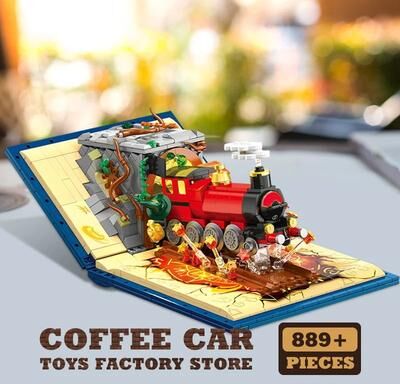
Inspired Finds LED Magic Train Building Blocks Set With Locomotive And Station DIY Brick Puzzle Toy LED Magic Train Building Blocks Set With Locomotive And Station DIY Brick Puzzle ToyIgnite creativity and spark hours of imaginative play with this LED magic train building blocks set, perfect for both kids and adults who enjoy building and collecting. This dynamic train blocks puzzle toy combines traditional brickbybrick assembly...134,99 $*Shipping: 0,00 $Secure redirect to the provider
-
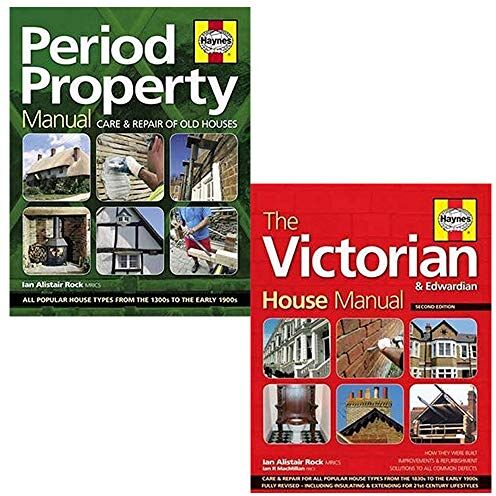
J H Haynes & Co Ltd Haynes Property Manual 2 Books Collection Set (The Victorian House, Period Property)The Victorian House Manual The Victorian House Manual (2nd Edition): How They Were Built, Improvements & Refurbishment, Solutions to All Common Defects Thinking of buying a Victorian or Edwardian house? Or maybe you already own one? Either way, this clearly written manual explains all you need to know about the care and repair of these classic properties. Today, many houses of this age are in need of extensive updating and maintenance, having suffered years of neglect. Some have been damaged by misguided home improvements or botched repairs using the wrong materials. Even newly refurbished properties can sometimes conceal dangerous structural alterations and shoddy build-quality. This unique manual provides detailed, expert advice, backed up with clear how to colour photographs, describing where to check for the critical danger signs and how to fix all common defects. Period Property Britain has a wonderfully rich stock of period houses - everything from medieval cottages to Georgian townhouses and Edwardian mansions. But many of these historic properties are now at risk. Some are unwittingly damaged by well-meaning owners or incompetent builders; others suffer long-term deterioration where mortgage lenders have imposed quick-fix 'remedies'. Despite being some of the most sustainable buildings on the planet, many old houses are now being subjected to ill-advised works to upgrade thermal efficiency, resulting in the destruction of the very qualities that make them so appealing, slashing their values. Haynes have come to the rescue with this clearly written, lavishly illustrated manual explaining the correct approach to care and repair - covering the full range of traditional materials. Every old house has a story to tell, so Haynes also show how to explore your home's history and strip back modern finishes to reveal long lost original features. This comprehensive manual is essential reading whether you want to get your hands dirty or just want to understand how old houses work and how to go about employing specialist craftsmen.19,99 £*Shipping: 2,99 £Secure redirect to the provider
-
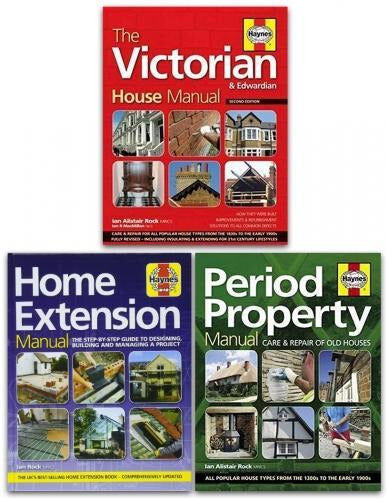
J H Haynes & Co Ltd Haynes Property Manual 3 Books Collection Set Home Extension The Victorian House Period PropertyTitles In this Set: The Victorian House Manual Home Extension Period Property The Victorian House Manual The Victorian House Manual (2nd Edition): How They Were Built, Improvements & Refurbishment, Solutions to All Common Defects Thinking of buying a Victorian or Edwardian house? Or maybe you already own one? Either way, this clearly written manual explains all you need to know about the care and repair of these classic properties. Today, many houses of this age are in need of extensive updating and maintenance, having suffered years of neglect. Some have been damaged by misguided home improvements or botched repairs using the wrong materials. Even newly refurbished properties can sometimes conceal dangerous structural alterations and shoddy build-quality. This unique manual provides detailed, expert advice, backed up with clear how to colour photographs, describing where to check for the critical danger signs and how to fix all common defects. Home ExtensionMany people are looking at ways to extend their homes rather than move house, but `getting the builders in' can be a recipe for disaster unless you really know what you are doing. Whether you plan to employ a building contractor or tackle some of the works yourself, this best-selling manual will show you how to stay firmly in control, resulting in a high-quality extension, completed on time and within budget. This new edition will include all the up-do-date information on complying with the latest Building Regs and Planning requirements, CAD design, energy-efficiency, under floor heating, bi-folds, liquid screeds, woodburning stoves and renewable energy. Period Property Britain has a wonderfully rich stock of period houses - everything from medieval cottages to Georgian townhouses and Edwardian mansions. But many of these historic properties are now at risk. Some are unwittingly damaged by well-meaning owners or incompetent builders; others suffer long-term deterioration where mortgage lenders have imposed quick-fix 'remedies'. Despite being some of the most sustainable buildings on the planet, many old houses are now being subjected to ill-advised works to upgrade thermal efficiency, resulting in the destruction of the very qualities that make them so appealing, slashing their values. Haynes have come to the rescue with this clearly written, lavishly illustrated manual explaining the correct approach to care and repair - covering the full range of traditional materials. Every old house has a story to tell, so Haynes also show how to explore your home's history and strip back modern finishes to reveal long lost original features. This comprehensive manual is essential reading whether you want to get your hands dirty or just want to understand how old houses work and how to go about employing specialist craftsmen.24,99 £*Shipping: 2,99 £Secure redirect to the provider

-
What is more harmful to the climate: steam locomotive or diesel locomotive?
Both steam and diesel locomotives have negative impacts on the climate, but diesel locomotives are generally considered more harmful. Diesel locomotives emit higher levels of greenhouse gases and air pollutants such as carbon dioxide, nitrogen oxides, and particulate matter. In contrast, steam locomotives produce lower levels of greenhouse gases, but they still emit pollutants such as sulfur dioxide and particulate matter. Overall, diesel locomotives have a greater negative impact on the climate and air quality compared to steam locomotives. **
-
What are steam locomotive trains?
Steam locomotive trains are a type of train powered by steam engines. These trains were commonly used in the 19th and early 20th centuries before being replaced by diesel and electric trains. Steam locomotives work by burning fuel, usually coal or wood, to heat water in a boiler and create steam, which then drives pistons to move the train. These trains are known for their iconic appearance, with a large smokestack and wheels that are driven by connecting rods. **
-
Inventor of the electric locomotive
The inventor of the electric locomotive is Werner von Siemens. In 1879, he successfully demonstrated the world's first electric passenger train at the Berlin Industrial Exhibition. His invention revolutionized the transportation industry by providing a cleaner and more efficient alternative to steam-powered locomotives. Siemens' electric locomotive laid the foundation for the widespread adoption of electric trains in the 20th century and continues to be a crucial part of modern railway systems. **
-
What is a steam locomotive?
A steam locomotive is a type of railway locomotive that produces its pulling power through a steam engine. The steam engine uses the force of steam pressure to move pistons back and forth, which in turn drives the locomotive's wheels. Steam locomotives were widely used in the 19th and early 20th centuries, but have largely been replaced by diesel and electric locomotives in modern times. However, they are still used for tourist and heritage railways, as well as in some developing countries. **


How does one go from being a shunting locomotive driver to a locomotive driver?
To go from being a shunting locomotive driver to a locomotive driver, one would typically need to gain experience and expertise in operating different types of locomotives. This may involve undergoing additional training and certification to operate larger, more powerful locomotives used for mainline services. Building a strong track record of safe and efficient operation as a shunting locomotive driver can also help in transitioning to a locomotive driver role. Networking within the industry and expressing interest in advancing to a locomotive driver position can also be beneficial in making the transition. **
What is the difference between a shunting locomotive driver and a mainline locomotive driver?
A shunting locomotive driver operates a locomotive that is used for moving rail cars within a rail yard or industrial area. Their main responsibility is to assemble and disassemble trains, as well as move cars to different tracks. On the other hand, a mainline locomotive driver operates a locomotive that is used for hauling freight or passenger trains over long distances on mainline tracks. Their main responsibility is to ensure the safe and efficient movement of trains between different cities or regions. Overall, the main difference is in the type of locomotive and the scope of their operations. **
Top-Angebote
Products related to Locomotive:
-
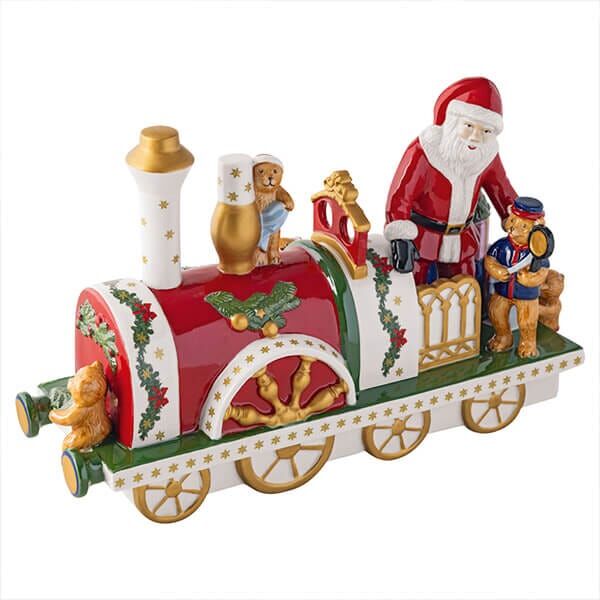
Villeroy & Boch Christmas Toys Memory Locomotive FigurineThis Villeroy & Boch Christmas Toy's Memory Locomotive Figurine brings a whimsical touch to your holiday decor with its vibrant colours and charming design. Crafted from high-quality porcelain, this ornament features delightful Santa Claus and teddy bear figures, making it a perfect addition to your festive display. The detailed hand-painted finish and decorated holly and star patterns enhance its appeal, ensuring it stands out on any tabletop or mantelpiece. Whether it is placed on a dining table, coffee table or displayed on a mantlepiece, this figurine will perfectly compliment other pieces from the Christmas Toys range. Made from premium Porcelain. Dimensions: 19.3(H) cm. Hand washing recommended. Weight: 2.2kg.278,10 £*Shipping: 0,00 £Secure redirect to the provider
-
Inspired Finds LED Magic Train Building Blocks Set With Locomotive And Station DIY Brick Puzzle Toy LED Magic Train Building Blocks Set With Locomotive And Station DIY Brick Puzzle ToyIgnite creativity and spark hours of imaginative play with this LED magic train building blocks set, perfect for both kids and adults who enjoy building and collecting. This dynamic train blocks puzzle toy combines traditional brickbybrick assembly...134,99 $*Shipping: 0,00 $Secure redirect to the provider
-
Which electric locomotive?
The electric locomotive that is best for a specific use case will depend on factors such as the type of railway system, the terrain, and the required power output. For example, the Siemens Vectron is a versatile electric locomotive that can operate on various railway systems and is suitable for both freight and passenger transport. On the other hand, the Bombardier TRAXX is known for its high performance and reliability, making it a popular choice for freight operations. Ultimately, the best electric locomotive will be the one that meets the specific needs and requirements of the railway operator. **
-
Which locomotive is this?
This is a Union Pacific Big Boy locomotive, specifically number 4014. It is a 4-8-8-4 articulated steam locomotive, one of the largest and most powerful ever built. The Big Boy was designed to haul heavy freight over the steep grades of the Rocky Mountains, and only 25 were ever built. After being retired, Union Pacific restored and operates 4014 as part of its heritage fleet. **
-
What is more harmful to the climate: steam locomotive or diesel locomotive?
Both steam and diesel locomotives have negative impacts on the climate, but diesel locomotives are generally considered more harmful. Diesel locomotives emit higher levels of greenhouse gases and air pollutants such as carbon dioxide, nitrogen oxides, and particulate matter. In contrast, steam locomotives produce lower levels of greenhouse gases, but they still emit pollutants such as sulfur dioxide and particulate matter. Overall, diesel locomotives have a greater negative impact on the climate and air quality compared to steam locomotives. **
-
What are steam locomotive trains?
Steam locomotive trains are a type of train powered by steam engines. These trains were commonly used in the 19th and early 20th centuries before being replaced by diesel and electric trains. Steam locomotives work by burning fuel, usually coal or wood, to heat water in a boiler and create steam, which then drives pistons to move the train. These trains are known for their iconic appearance, with a large smokestack and wheels that are driven by connecting rods. **
Similar search terms for Locomotive
-
J H Haynes & Co Ltd Haynes Property Manual 2 Books Collection Set (The Victorian House, Period Property)The Victorian House Manual The Victorian House Manual (2nd Edition): How They Were Built, Improvements & Refurbishment, Solutions to All Common Defects Thinking of buying a Victorian or Edwardian house? Or maybe you already own one? Either way, this clearly written manual explains all you need to know about the care and repair of these classic properties. Today, many houses of this age are in need of extensive updating and maintenance, having suffered years of neglect. Some have been damaged by misguided home improvements or botched repairs using the wrong materials. Even newly refurbished properties can sometimes conceal dangerous structural alterations and shoddy build-quality. This unique manual provides detailed, expert advice, backed up with clear how to colour photographs, describing where to check for the critical danger signs and how to fix all common defects. Period Property Britain has a wonderfully rich stock of period houses - everything from medieval cottages to Georgian townhouses and Edwardian mansions. But many of these historic properties are now at risk. Some are unwittingly damaged by well-meaning owners or incompetent builders; others suffer long-term deterioration where mortgage lenders have imposed quick-fix 'remedies'. Despite being some of the most sustainable buildings on the planet, many old houses are now being subjected to ill-advised works to upgrade thermal efficiency, resulting in the destruction of the very qualities that make them so appealing, slashing their values. Haynes have come to the rescue with this clearly written, lavishly illustrated manual explaining the correct approach to care and repair - covering the full range of traditional materials. Every old house has a story to tell, so Haynes also show how to explore your home's history and strip back modern finishes to reveal long lost original features. This comprehensive manual is essential reading whether you want to get your hands dirty or just want to understand how old houses work and how to go about employing specialist craftsmen.19,99 £*Shipping: 2,99 £Secure redirect to the provider
-
J H Haynes & Co Ltd Haynes Property Manual 3 Books Collection Set Home Extension The Victorian House Period PropertyTitles In this Set: The Victorian House Manual Home Extension Period Property The Victorian House Manual The Victorian House Manual (2nd Edition): How They Were Built, Improvements & Refurbishment, Solutions to All Common Defects Thinking of buying a Victorian or Edwardian house? Or maybe you already own one? Either way, this clearly written manual explains all you need to know about the care and repair of these classic properties. Today, many houses of this age are in need of extensive updating and maintenance, having suffered years of neglect. Some have been damaged by misguided home improvements or botched repairs using the wrong materials. Even newly refurbished properties can sometimes conceal dangerous structural alterations and shoddy build-quality. This unique manual provides detailed, expert advice, backed up with clear how to colour photographs, describing where to check for the critical danger signs and how to fix all common defects. Home ExtensionMany people are looking at ways to extend their homes rather than move house, but `getting the builders in' can be a recipe for disaster unless you really know what you are doing. Whether you plan to employ a building contractor or tackle some of the works yourself, this best-selling manual will show you how to stay firmly in control, resulting in a high-quality extension, completed on time and within budget. This new edition will include all the up-do-date information on complying with the latest Building Regs and Planning requirements, CAD design, energy-efficiency, under floor heating, bi-folds, liquid screeds, woodburning stoves and renewable energy. Period Property Britain has a wonderfully rich stock of period houses - everything from medieval cottages to Georgian townhouses and Edwardian mansions. But many of these historic properties are now at risk. Some are unwittingly damaged by well-meaning owners or incompetent builders; others suffer long-term deterioration where mortgage lenders have imposed quick-fix 'remedies'. Despite being some of the most sustainable buildings on the planet, many old houses are now being subjected to ill-advised works to upgrade thermal efficiency, resulting in the destruction of the very qualities that make them so appealing, slashing their values. Haynes have come to the rescue with this clearly written, lavishly illustrated manual explaining the correct approach to care and repair - covering the full range of traditional materials. Every old house has a story to tell, so Haynes also show how to explore your home's history and strip back modern finishes to reveal long lost original features. This comprehensive manual is essential reading whether you want to get your hands dirty or just want to understand how old houses work and how to go about employing specialist craftsmen.24,99 £*Shipping: 2,99 £Secure redirect to the provider
-
KALATY Portfolio Storm Gray HandMade Area RugWelcome guests to your home with the rich grey pattern and hand-woven design of this runner rug. Made of premium wool and Silkette, this runner is durable yet also has a lovely transitional style.595,99 $*Shipping: 0,00 $Secure redirect to the provider
-
Inventor of the electric locomotive
The inventor of the electric locomotive is Werner von Siemens. In 1879, he successfully demonstrated the world's first electric passenger train at the Berlin Industrial Exhibition. His invention revolutionized the transportation industry by providing a cleaner and more efficient alternative to steam-powered locomotives. Siemens' electric locomotive laid the foundation for the widespread adoption of electric trains in the 20th century and continues to be a crucial part of modern railway systems. **
-
What is a steam locomotive?
A steam locomotive is a type of railway locomotive that produces its pulling power through a steam engine. The steam engine uses the force of steam pressure to move pistons back and forth, which in turn drives the locomotive's wheels. Steam locomotives were widely used in the 19th and early 20th centuries, but have largely been replaced by diesel and electric locomotives in modern times. However, they are still used for tourist and heritage railways, as well as in some developing countries. **
-
How does one go from being a shunting locomotive driver to a locomotive driver?
To go from being a shunting locomotive driver to a locomotive driver, one would typically need to gain experience and expertise in operating different types of locomotives. This may involve undergoing additional training and certification to operate larger, more powerful locomotives used for mainline services. Building a strong track record of safe and efficient operation as a shunting locomotive driver can also help in transitioning to a locomotive driver role. Networking within the industry and expressing interest in advancing to a locomotive driver position can also be beneficial in making the transition. **
-
What is the difference between a shunting locomotive driver and a mainline locomotive driver?
A shunting locomotive driver operates a locomotive that is used for moving rail cars within a rail yard or industrial area. Their main responsibility is to assemble and disassemble trains, as well as move cars to different tracks. On the other hand, a mainline locomotive driver operates a locomotive that is used for hauling freight or passenger trains over long distances on mainline tracks. Their main responsibility is to ensure the safe and efficient movement of trains between different cities or regions. Overall, the main difference is in the type of locomotive and the scope of their operations. **
* All prices are inclusive of VAT and, if applicable, plus shipping costs. The offer information is based on the details provided by the respective shop and is updated through automated processes. Real-time updates do not occur, so deviations can occur in individual cases. ** Note: Parts of this content were created by AI.