Buy immobilieninvestors.eu ?
We are moving the project
immobilieninvestors.eu .
Are you interested in purchasing the domain
immobilieninvestors.eu ?
domain@kv-gmbh.de · 0541-91531010
Buy immobilieninvestors.eu ?
How can printed circuit boards be printed with a 3D printer?
Printed circuit boards (PCBs) can be printed with a 3D printer using a process called additive manufacturing. This involves using a 3D printer to deposit conductive materials, such as conductive inks or filaments, onto a substrate to create the circuit traces and components. The printer can also deposit insulating materials to create the necessary layers for the PCB. Additionally, some 3D printers are equipped with multiple print heads, allowing them to print both conductive and insulating materials simultaneously, which is essential for creating complex PCB designs. Overall, 3D printing offers a flexible and cost-effective method for producing custom PCBs with intricate designs. **
What are printed stamps?
Printed stamps are postage stamps that are produced using a printing process, such as offset printing or lithography. They are typically mass-produced and feature intricate designs, images, and text. Printed stamps are used by postal services around the world to denote the prepayment of postage for mail and packages. They are often collected by philatelists for their historical, cultural, and artistic significance. **
Similar search terms for Printed
Top-Angebote
Products related to Printed:
-
Uplift Essentials Briquette 3D Printed Candlestick Holder Briquette 3D Printed Candlestick HolderBring a touch of whimsical charm to your home with the Briquette 3D Printed Candlestick Holder, a delightful addition to any modern interior. This cute candlestick holder features a playful, characterinspired design that adds personality to your...47,97 $*Shipping: 0,00 $Secure redirect to the provider
-
KALATY Portfolio Storm Gray HandMade Area RugWelcome guests to your home with the rich grey pattern and hand-woven design of this runner rug. Made of premium wool and Silkette, this runner is durable yet also has a lovely transitional style.595,99 $*Shipping: 0,00 $Secure redirect to the provider
-
Uplifted Finds Articulated 3D Printed Simulation Eagle Model Articulated 3D Printed Simulation Eagle ModelBring the majesty of the skies to your desktop with our 3D Printed Articulated Eagle Figurine. This isn't your average static statue; it is a hightech simulation model featuring multiple movable joints that allow for lifelike posing. Using advanced...53,97 $*Shipping: 0,00 $Secure redirect to the provider
-
Uplifted Goods 3D Printed Articulated Eagle Simulation Figurine 3D Printed Articulated Eagle Simulation FigurineAdd a touch of wild majesty to your environment with this high quality 3D printed eagle model. It is made from high quality, ecofriendly PLA materials that provide a stable and realistic avian aesthetic for your home or office. Whether you are...34,97 $*Shipping: 0,00 $Secure redirect to the provider




-
Can this be printed?
Yes, this can be printed. You can simply click on the print button or use the print function in your web browser to print the content. If you are using a mobile device, you can also use the share function to send the content to a printer. **
-
"Contradiction printed or written?"
"Contradiction printed or written?" refers to the idea of a contradiction being expressed through words, whether in printed form or written down. It suggests that contradictions can be conveyed through language, whether in books, articles, or any other written material. This phrase prompts us to consider how contradictions can be communicated and the impact they can have on our understanding of a topic. **
-
What are printed materials?
Printed materials are physical documents or publications that have been produced using a printing process, such as books, newspapers, magazines, brochures, and flyers. These materials are created by transferring text and images onto paper or other surfaces using techniques like offset printing, digital printing, or screen printing. Printed materials are used for a wide range of purposes, including conveying information, advertising products or services, and providing entertainment. They are an important part of our daily lives and continue to be a valuable communication tool in the digital age. **
-
Where is money printed?
Money is printed at various government printing facilities around the world. In the United States, for example, the Bureau of Engraving and Printing is responsible for printing paper currency, while the U.S. Mint is responsible for producing coins. Similarly, other countries have their own government-operated printing facilities for producing their national currency. These facilities have strict security measures in place to prevent counterfeiting and ensure the integrity of the currency. **


Why do printed photos fade?
Printed photos fade due to a combination of factors such as exposure to light, heat, humidity, and air pollutants. Light causes the dyes and pigments in the photo paper to break down, leading to a loss of color and contrast. Heat and humidity can accelerate this process, while air pollutants can also contribute to the deterioration of the photo. Over time, these factors can cause the image to fade and lose its original vibrancy. **
Who printed the geocentric worldview?
The geocentric worldview was printed by the Catholic Church during the Middle Ages. The Church promoted the idea that the Earth was the center of the universe and that all celestial bodies revolved around it. This belief was widely accepted and taught as part of the Church's teachings. It wasn't until the 16th century when astronomers like Nicolaus Copernicus and Galileo Galilei challenged this view with the heliocentric model. **
Top-Angebote
Products related to Printed:
-
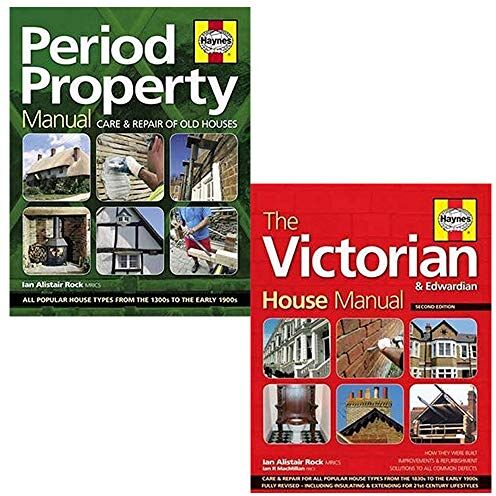
J H Haynes & Co Ltd Haynes Property Manual 2 Books Collection Set (The Victorian House, Period Property)The Victorian House Manual The Victorian House Manual (2nd Edition): How They Were Built, Improvements & Refurbishment, Solutions to All Common Defects Thinking of buying a Victorian or Edwardian house? Or maybe you already own one? Either way, this clearly written manual explains all you need to know about the care and repair of these classic properties. Today, many houses of this age are in need of extensive updating and maintenance, having suffered years of neglect. Some have been damaged by misguided home improvements or botched repairs using the wrong materials. Even newly refurbished properties can sometimes conceal dangerous structural alterations and shoddy build-quality. This unique manual provides detailed, expert advice, backed up with clear how to colour photographs, describing where to check for the critical danger signs and how to fix all common defects. Period Property Britain has a wonderfully rich stock of period houses - everything from medieval cottages to Georgian townhouses and Edwardian mansions. But many of these historic properties are now at risk. Some are unwittingly damaged by well-meaning owners or incompetent builders; others suffer long-term deterioration where mortgage lenders have imposed quick-fix 'remedies'. Despite being some of the most sustainable buildings on the planet, many old houses are now being subjected to ill-advised works to upgrade thermal efficiency, resulting in the destruction of the very qualities that make them so appealing, slashing their values. Haynes have come to the rescue with this clearly written, lavishly illustrated manual explaining the correct approach to care and repair - covering the full range of traditional materials. Every old house has a story to tell, so Haynes also show how to explore your home's history and strip back modern finishes to reveal long lost original features. This comprehensive manual is essential reading whether you want to get your hands dirty or just want to understand how old houses work and how to go about employing specialist craftsmen.19,99 £*Shipping: 2,99 £Secure redirect to the provider
-
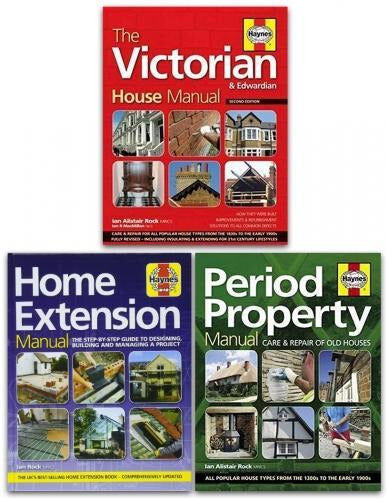
J H Haynes & Co Ltd Haynes Property Manual 3 Books Collection Set Home Extension The Victorian House Period PropertyTitles In this Set: The Victorian House Manual Home Extension Period Property The Victorian House Manual The Victorian House Manual (2nd Edition): How They Were Built, Improvements & Refurbishment, Solutions to All Common Defects Thinking of buying a Victorian or Edwardian house? Or maybe you already own one? Either way, this clearly written manual explains all you need to know about the care and repair of these classic properties. Today, many houses of this age are in need of extensive updating and maintenance, having suffered years of neglect. Some have been damaged by misguided home improvements or botched repairs using the wrong materials. Even newly refurbished properties can sometimes conceal dangerous structural alterations and shoddy build-quality. This unique manual provides detailed, expert advice, backed up with clear how to colour photographs, describing where to check for the critical danger signs and how to fix all common defects. Home ExtensionMany people are looking at ways to extend their homes rather than move house, but `getting the builders in' can be a recipe for disaster unless you really know what you are doing. Whether you plan to employ a building contractor or tackle some of the works yourself, this best-selling manual will show you how to stay firmly in control, resulting in a high-quality extension, completed on time and within budget. This new edition will include all the up-do-date information on complying with the latest Building Regs and Planning requirements, CAD design, energy-efficiency, under floor heating, bi-folds, liquid screeds, woodburning stoves and renewable energy. Period Property Britain has a wonderfully rich stock of period houses - everything from medieval cottages to Georgian townhouses and Edwardian mansions. But many of these historic properties are now at risk. Some are unwittingly damaged by well-meaning owners or incompetent builders; others suffer long-term deterioration where mortgage lenders have imposed quick-fix 'remedies'. Despite being some of the most sustainable buildings on the planet, many old houses are now being subjected to ill-advised works to upgrade thermal efficiency, resulting in the destruction of the very qualities that make them so appealing, slashing their values. Haynes have come to the rescue with this clearly written, lavishly illustrated manual explaining the correct approach to care and repair - covering the full range of traditional materials. Every old house has a story to tell, so Haynes also show how to explore your home's history and strip back modern finishes to reveal long lost original features. This comprehensive manual is essential reading whether you want to get your hands dirty or just want to understand how old houses work and how to go about employing specialist craftsmen.24,99 £*Shipping: 2,99 £Secure redirect to the provider
-
Uplift Essentials Briquette 3D Printed Candlestick Holder Briquette 3D Printed Candlestick HolderBring a touch of whimsical charm to your home with the Briquette 3D Printed Candlestick Holder, a delightful addition to any modern interior. This cute candlestick holder features a playful, characterinspired design that adds personality to your...47,97 $*Shipping: 0,00 $Secure redirect to the provider
-
KALATY Portfolio Storm Gray HandMade Area RugWelcome guests to your home with the rich grey pattern and hand-woven design of this runner rug. Made of premium wool and Silkette, this runner is durable yet also has a lovely transitional style.595,99 $*Shipping: 0,00 $Secure redirect to the provider
-
How can printed circuit boards be printed with a 3D printer?
Printed circuit boards (PCBs) can be printed with a 3D printer using a process called additive manufacturing. This involves using a 3D printer to deposit conductive materials, such as conductive inks or filaments, onto a substrate to create the circuit traces and components. The printer can also deposit insulating materials to create the necessary layers for the PCB. Additionally, some 3D printers are equipped with multiple print heads, allowing them to print both conductive and insulating materials simultaneously, which is essential for creating complex PCB designs. Overall, 3D printing offers a flexible and cost-effective method for producing custom PCBs with intricate designs. **
-
What are printed stamps?
Printed stamps are postage stamps that are produced using a printing process, such as offset printing or lithography. They are typically mass-produced and feature intricate designs, images, and text. Printed stamps are used by postal services around the world to denote the prepayment of postage for mail and packages. They are often collected by philatelists for their historical, cultural, and artistic significance. **
-
Can this be printed?
Yes, this can be printed. You can simply click on the print button or use the print function in your web browser to print the content. If you are using a mobile device, you can also use the share function to send the content to a printer. **
-
"Contradiction printed or written?"
"Contradiction printed or written?" refers to the idea of a contradiction being expressed through words, whether in printed form or written down. It suggests that contradictions can be conveyed through language, whether in books, articles, or any other written material. This phrase prompts us to consider how contradictions can be communicated and the impact they can have on our understanding of a topic. **
Similar search terms for Printed
-
Uplifted Finds Articulated 3D Printed Simulation Eagle Model Articulated 3D Printed Simulation Eagle ModelBring the majesty of the skies to your desktop with our 3D Printed Articulated Eagle Figurine. This isn't your average static statue; it is a hightech simulation model featuring multiple movable joints that allow for lifelike posing. Using advanced...53,97 $*Shipping: 0,00 $Secure redirect to the provider
-
Uplifted Goods 3D Printed Articulated Eagle Simulation Figurine 3D Printed Articulated Eagle Simulation FigurineAdd a touch of wild majesty to your environment with this high quality 3D printed eagle model. It is made from high quality, ecofriendly PLA materials that provide a stable and realistic avian aesthetic for your home or office. Whether you are...34,97 $*Shipping: 0,00 $Secure redirect to the provider
-
What are printed materials?
Printed materials are physical documents or publications that have been produced using a printing process, such as books, newspapers, magazines, brochures, and flyers. These materials are created by transferring text and images onto paper or other surfaces using techniques like offset printing, digital printing, or screen printing. Printed materials are used for a wide range of purposes, including conveying information, advertising products or services, and providing entertainment. They are an important part of our daily lives and continue to be a valuable communication tool in the digital age. **
-
Where is money printed?
Money is printed at various government printing facilities around the world. In the United States, for example, the Bureau of Engraving and Printing is responsible for printing paper currency, while the U.S. Mint is responsible for producing coins. Similarly, other countries have their own government-operated printing facilities for producing their national currency. These facilities have strict security measures in place to prevent counterfeiting and ensure the integrity of the currency. **
-
Why do printed photos fade?
Printed photos fade due to a combination of factors such as exposure to light, heat, humidity, and air pollutants. Light causes the dyes and pigments in the photo paper to break down, leading to a loss of color and contrast. Heat and humidity can accelerate this process, while air pollutants can also contribute to the deterioration of the photo. Over time, these factors can cause the image to fade and lose its original vibrancy. **
-
Who printed the geocentric worldview?
The geocentric worldview was printed by the Catholic Church during the Middle Ages. The Church promoted the idea that the Earth was the center of the universe and that all celestial bodies revolved around it. This belief was widely accepted and taught as part of the Church's teachings. It wasn't until the 16th century when astronomers like Nicolaus Copernicus and Galileo Galilei challenged this view with the heliocentric model. **
* All prices are inclusive of VAT and, if applicable, plus shipping costs. The offer information is based on the details provided by the respective shop and is updated through automated processes. Real-time updates do not occur, so deviations can occur in individual cases. ** Note: Parts of this content were created by AI.