Buy immobilieninvestors.eu ?
We are moving the project
immobilieninvestors.eu .
Are you interested in purchasing the domain
immobilieninvestors.eu ?
domain@kv-gmbh.de · 0541-91531010
Buy immobilieninvestors.eu ?
What is a purl row in knitting?
A purl row in knitting is when you create a row of stitches that have a raised bump texture on the right side of the fabric. To create a purl row, you insert the needle into the front of the stitch from right to left, wrap the yarn around the needle, and pull it through to create a new stitch. Purl rows are often alternated with knit rows to create different textures and patterns in knitting projects. **
What is a purl stitch in knitting?
A purl stitch in knitting is a basic stitch that creates a textured pattern on the fabric. It is the opposite of a knit stitch and is created by bringing the yarn to the front of the work, inserting the needle from right to left through the front of the stitch on the left-hand needle, wrapping the yarn around the right-hand needle, and pulling the loop through. Purl stitches are often used in combination with knit stitches to create various stitch patterns and designs in knitting projects. **


Similar search terms for Purl
Top-Angebote
Products related to Purl:



-
What is the difference between a knit stitch and a purl stitch?
The main difference between a knit stitch and a purl stitch is the way the yarn is wrapped around the needle. In a knit stitch, the yarn is held in the back of the work and the needle is inserted from front to back, creating a smooth, raised stitch. In a purl stitch, the yarn is held in the front of the work and the needle is inserted from back to front, creating a bumpier, textured stitch. These two stitches are the building blocks of knitting and are used in various combinations to create different patterns and textures in knitted fabric. **
-
How do you purl a stitch and wrap the yarn around the needle twice?
To purl a stitch and wrap the yarn around the needle twice, you would first bring the yarn to the front of the work. Then, insert the right-hand needle from right to left through the front of the first stitch on the left-hand needle. Next, wrap the yarn around the right-hand needle twice in a counter-clockwise direction. Finally, pull the yarn through the stitch and slip the original stitch off the left-hand needle. This will create a purl stitch with the yarn wrapped around the needle twice. **
-
Is Hungary still a good opportunity for investment?
Hungary can still be a good opportunity for investment due to its strategic location in Central Europe, well-developed infrastructure, and skilled workforce. The country also offers various incentives for foreign investors, such as tax breaks and grants. Additionally, Hungary has been making efforts to improve its business environment and attract foreign investment through reforms and initiatives. However, potential investors should carefully consider the economic and political risks, as well as the regulatory environment, before making any investment decisions in Hungary. **
-
What type of property is suitable as an investment?
A property suitable for investment is one that has the potential to generate a positive cash flow and appreciate in value over time. This could include residential properties such as single-family homes, multi-family units, or vacation rentals, as well as commercial properties like office buildings, retail spaces, or industrial properties. Additionally, properties located in high-demand areas with strong economic and population growth are generally more suitable for investment. It's important to consider factors such as location, market trends, and potential for renovation or improvement when evaluating a property for investment. **
Is every day a new beginning and an opportunity for further development?
Yes, every day is a new beginning and an opportunity for further development. Each day presents a chance to learn, grow, and improve ourselves. By approaching each day with a positive mindset and a willingness to embrace new experiences, we can continue to evolve and reach our full potential. It's important to seize the opportunities that each day brings and use them to propel ourselves forward on our journey of personal growth and development. **
What exactly is done in the development costs for a property?
In the development costs for a property, various expenses are incurred to prepare the land and construct buildings or infrastructure. This includes costs such as land acquisition, design and engineering fees, obtaining permits and approvals, site preparation, construction materials and labor, utilities installation, landscaping, and marketing expenses. The development costs also cover any financing charges, legal fees, insurance, and other miscellaneous expenses associated with the project. Overall, these costs are essential for transforming a piece of land into a developed property ready for use or sale. **
Top-Angebote
Products related to Purl:
-
What is a purl row in knitting?
A purl row in knitting is when you create a row of stitches that have a raised bump texture on the right side of the fabric. To create a purl row, you insert the needle into the front of the stitch from right to left, wrap the yarn around the needle, and pull it through to create a new stitch. Purl rows are often alternated with knit rows to create different textures and patterns in knitting projects. **
-
What is a purl stitch in knitting?
A purl stitch in knitting is a basic stitch that creates a textured pattern on the fabric. It is the opposite of a knit stitch and is created by bringing the yarn to the front of the work, inserting the needle from right to left through the front of the stitch on the left-hand needle, wrapping the yarn around the right-hand needle, and pulling the loop through. Purl stitches are often used in combination with knit stitches to create various stitch patterns and designs in knitting projects. **
-
What is the difference between a knit stitch and a purl stitch?
The main difference between a knit stitch and a purl stitch is the way the yarn is wrapped around the needle. In a knit stitch, the yarn is held in the back of the work and the needle is inserted from front to back, creating a smooth, raised stitch. In a purl stitch, the yarn is held in the front of the work and the needle is inserted from back to front, creating a bumpier, textured stitch. These two stitches are the building blocks of knitting and are used in various combinations to create different patterns and textures in knitted fabric. **
-
How do you purl a stitch and wrap the yarn around the needle twice?
To purl a stitch and wrap the yarn around the needle twice, you would first bring the yarn to the front of the work. Then, insert the right-hand needle from right to left through the front of the first stitch on the left-hand needle. Next, wrap the yarn around the right-hand needle twice in a counter-clockwise direction. Finally, pull the yarn through the stitch and slip the original stitch off the left-hand needle. This will create a purl stitch with the yarn wrapped around the needle twice. **
Similar search terms for Purl
-
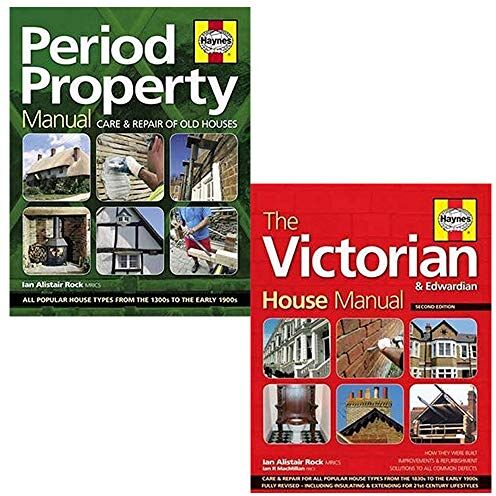
J H Haynes & Co Ltd Haynes Property Manual 2 Books Collection Set (The Victorian House, Period Property)The Victorian House Manual The Victorian House Manual (2nd Edition): How They Were Built, Improvements & Refurbishment, Solutions to All Common Defects Thinking of buying a Victorian or Edwardian house? Or maybe you already own one? Either way, this clearly written manual explains all you need to know about the care and repair of these classic properties. Today, many houses of this age are in need of extensive updating and maintenance, having suffered years of neglect. Some have been damaged by misguided home improvements or botched repairs using the wrong materials. Even newly refurbished properties can sometimes conceal dangerous structural alterations and shoddy build-quality. This unique manual provides detailed, expert advice, backed up with clear how to colour photographs, describing where to check for the critical danger signs and how to fix all common defects. Period Property Britain has a wonderfully rich stock of period houses - everything from medieval cottages to Georgian townhouses and Edwardian mansions. But many of these historic properties are now at risk. Some are unwittingly damaged by well-meaning owners or incompetent builders; others suffer long-term deterioration where mortgage lenders have imposed quick-fix 'remedies'. Despite being some of the most sustainable buildings on the planet, many old houses are now being subjected to ill-advised works to upgrade thermal efficiency, resulting in the destruction of the very qualities that make them so appealing, slashing their values. Haynes have come to the rescue with this clearly written, lavishly illustrated manual explaining the correct approach to care and repair - covering the full range of traditional materials. Every old house has a story to tell, so Haynes also show how to explore your home's history and strip back modern finishes to reveal long lost original features. This comprehensive manual is essential reading whether you want to get your hands dirty or just want to understand how old houses work and how to go about employing specialist craftsmen.19,99 £*Shipping: 2,99 £Secure redirect to the provider
-
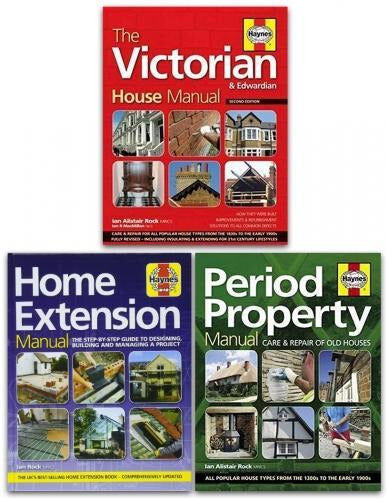
J H Haynes & Co Ltd Haynes Property Manual 3 Books Collection Set Home Extension The Victorian House Period PropertyTitles In this Set: The Victorian House Manual Home Extension Period Property The Victorian House Manual The Victorian House Manual (2nd Edition): How They Were Built, Improvements & Refurbishment, Solutions to All Common Defects Thinking of buying a Victorian or Edwardian house? Or maybe you already own one? Either way, this clearly written manual explains all you need to know about the care and repair of these classic properties. Today, many houses of this age are in need of extensive updating and maintenance, having suffered years of neglect. Some have been damaged by misguided home improvements or botched repairs using the wrong materials. Even newly refurbished properties can sometimes conceal dangerous structural alterations and shoddy build-quality. This unique manual provides detailed, expert advice, backed up with clear how to colour photographs, describing where to check for the critical danger signs and how to fix all common defects. Home ExtensionMany people are looking at ways to extend their homes rather than move house, but `getting the builders in' can be a recipe for disaster unless you really know what you are doing. Whether you plan to employ a building contractor or tackle some of the works yourself, this best-selling manual will show you how to stay firmly in control, resulting in a high-quality extension, completed on time and within budget. This new edition will include all the up-do-date information on complying with the latest Building Regs and Planning requirements, CAD design, energy-efficiency, under floor heating, bi-folds, liquid screeds, woodburning stoves and renewable energy. Period Property Britain has a wonderfully rich stock of period houses - everything from medieval cottages to Georgian townhouses and Edwardian mansions. But many of these historic properties are now at risk. Some are unwittingly damaged by well-meaning owners or incompetent builders; others suffer long-term deterioration where mortgage lenders have imposed quick-fix 'remedies'. Despite being some of the most sustainable buildings on the planet, many old houses are now being subjected to ill-advised works to upgrade thermal efficiency, resulting in the destruction of the very qualities that make them so appealing, slashing their values. Haynes have come to the rescue with this clearly written, lavishly illustrated manual explaining the correct approach to care and repair - covering the full range of traditional materials. Every old house has a story to tell, so Haynes also show how to explore your home's history and strip back modern finishes to reveal long lost original features. This comprehensive manual is essential reading whether you want to get your hands dirty or just want to understand how old houses work and how to go about employing specialist craftsmen.24,99 £*Shipping: 2,99 £Secure redirect to the provider
-
Is Hungary still a good opportunity for investment?
Hungary can still be a good opportunity for investment due to its strategic location in Central Europe, well-developed infrastructure, and skilled workforce. The country also offers various incentives for foreign investors, such as tax breaks and grants. Additionally, Hungary has been making efforts to improve its business environment and attract foreign investment through reforms and initiatives. However, potential investors should carefully consider the economic and political risks, as well as the regulatory environment, before making any investment decisions in Hungary. **
-
What type of property is suitable as an investment?
A property suitable for investment is one that has the potential to generate a positive cash flow and appreciate in value over time. This could include residential properties such as single-family homes, multi-family units, or vacation rentals, as well as commercial properties like office buildings, retail spaces, or industrial properties. Additionally, properties located in high-demand areas with strong economic and population growth are generally more suitable for investment. It's important to consider factors such as location, market trends, and potential for renovation or improvement when evaluating a property for investment. **
-
Is every day a new beginning and an opportunity for further development?
Yes, every day is a new beginning and an opportunity for further development. Each day presents a chance to learn, grow, and improve ourselves. By approaching each day with a positive mindset and a willingness to embrace new experiences, we can continue to evolve and reach our full potential. It's important to seize the opportunities that each day brings and use them to propel ourselves forward on our journey of personal growth and development. **
-
What exactly is done in the development costs for a property?
In the development costs for a property, various expenses are incurred to prepare the land and construct buildings or infrastructure. This includes costs such as land acquisition, design and engineering fees, obtaining permits and approvals, site preparation, construction materials and labor, utilities installation, landscaping, and marketing expenses. The development costs also cover any financing charges, legal fees, insurance, and other miscellaneous expenses associated with the project. Overall, these costs are essential for transforming a piece of land into a developed property ready for use or sale. **
* All prices are inclusive of VAT and, if applicable, plus shipping costs. The offer information is based on the details provided by the respective shop and is updated through automated processes. Real-time updates do not occur, so deviations can occur in individual cases. ** Note: Parts of this content were created by AI.