Buy immobilieninvestors.eu ?
We are moving the project
immobilieninvestors.eu .
Are you interested in purchasing the domain
immobilieninvestors.eu ?
domain@kv-gmbh.de · 0541-91531010
Buy immobilieninvestors.eu ?
Who knows a portfolio course for retail design?
One option for a portfolio course for retail design is the Fashion Institute of Technology (FIT) in New York City. FIT offers a Retail Design Certificate program that focuses on the principles and practices of retail design, including store planning, visual merchandising, and branding. The program is designed for individuals with a background in design or related fields who are looking to develop a portfolio specifically for retail design. Additionally, many other design schools and universities offer courses or programs in retail design that can help individuals build a strong portfolio in this area. **
Who knows of a portfolio course for Retail Design?
One option for a portfolio course in Retail Design is the New York School of Interior Design (NYSID). They offer a Portfolio Development course specifically tailored for students interested in pursuing a career in Retail Design. This course helps students create a professional portfolio showcasing their skills and projects related to retail spaces. Additionally, institutions such as the Fashion Institute of Technology (FIT) in New York City also offer courses and workshops focused on Retail Design and portfolio development. **
Similar search terms for Retail
Top-Angebote
Products related to Retail:
-
Uplifted Finds Smart Sensing Slithering Snake Toy retail Package"Bring the ""wild"" indoors with the Smart Sensing Slithering Snake. This hightech interactive toy mimics the realistic, Sshaped movement of a real snake, instantly triggering your cat's natural hunting and pouncing instincts. Designed with advanced..."62,97 $*Shipping: 0,00 $Secure redirect to the provider
-
Econoco Grid Panel for Retail Display - Perfect Metal Grid for Any Retail Display, 2' Width x 5' Height, 3 Grids Per Carton (Black)Grid panels are the most versatile cost-effective display available to all types of retailers. Can be used on the wall, on the ceiling or free-standing on the floor singly or connected to other panels, allowing for unlimited display possibilities.103,73 $*Shipping: 0,00 $Secure redirect to the provider


-
How should a portfolio be designed for a retail design study?
When designing a portfolio for a retail design study, it is important to showcase a variety of projects that demonstrate your skills and experience in this specific field. Include examples of retail spaces you have designed, such as stores, boutiques, or pop-up shops, highlighting your creativity, attention to detail, and understanding of consumer behavior. Incorporate before-and-after images, floor plans, mood boards, and sketches to provide a comprehensive view of your design process. Additionally, make sure to include a brief description of each project, outlining your design concept, challenges faced, and solutions implemented to create successful retail environments. **
-
Can a retail salesman/retail saleswoman accept a gift?
In most retail companies, it is against company policy for retail salespeople to accept gifts from customers. This is to avoid any appearance of favoritism or bribery, and to maintain a professional and unbiased relationship with customers. Accepting gifts could also create a conflict of interest and compromise the salesperson's integrity. Therefore, it is generally best for retail salespeople to politely decline any gifts offered by customers. **
-
Is retail dying?
While the retail industry is facing challenges due to the rise of e-commerce and changing consumer preferences, it is not necessarily dying. Retailers are adapting by integrating online and offline channels, enhancing the in-store experience, and focusing on personalized customer service. Successful retailers are leveraging technology and data analytics to stay competitive and meet the evolving needs of consumers. Therefore, while the retail landscape is changing, it is not disappearing entirely. **
-
How can one use Maslow's hierarchy of needs in retail to increase sales and revenue?
Maslow's hierarchy of needs can be used in retail to understand and cater to customers' different needs at various levels. Retailers can start by ensuring that their products fulfill basic physiological needs such as food, clothing, and shelter. They can then focus on providing products that satisfy higher-level needs like social belongingness, self-esteem, and self-actualization. By understanding where their customers fall on the hierarchy, retailers can tailor their marketing strategies, product offerings, and customer experiences to increase sales and revenue. This approach can help create a more personalized shopping experience that resonates with customers on a deeper level. **

What is retail textile?
Retail textile refers to the sale of fabrics, clothing, and other textile products directly to consumers through physical stores or online platforms. This sector includes a wide range of products such as apparel, home textiles, and accessories. Retail textile businesses often source their products from manufacturers and wholesalers, and then sell them to individual customers for personal use. The retail textile industry plays a significant role in the global economy and offers a diverse array of products to meet consumer needs and preferences. **
What is retail textiles?
Retail textiles refer to the sale of fabrics, clothing, and other textile products directly to consumers through physical stores or online platforms. This can include items such as clothing, bedding, towels, and curtains. Retail textiles encompass a wide range of products made from various materials like cotton, silk, wool, and synthetic fibers, catering to different consumer preferences and needs. Retail textile stores often offer a diverse selection of products, styles, and price points to appeal to a broad customer base. **
Top-Angebote
Products related to Retail:
-
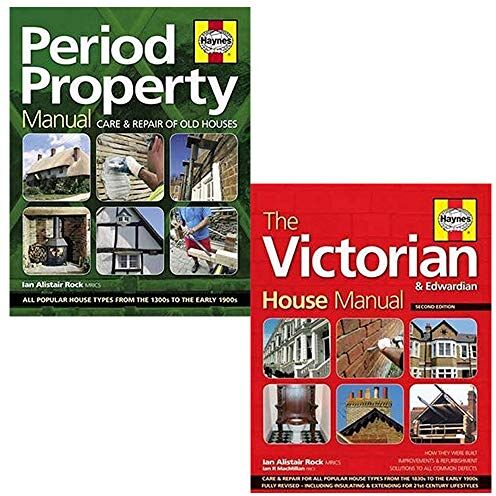
J H Haynes & Co Ltd Haynes Property Manual 2 Books Collection Set (The Victorian House, Period Property)The Victorian House Manual The Victorian House Manual (2nd Edition): How They Were Built, Improvements & Refurbishment, Solutions to All Common Defects Thinking of buying a Victorian or Edwardian house? Or maybe you already own one? Either way, this clearly written manual explains all you need to know about the care and repair of these classic properties. Today, many houses of this age are in need of extensive updating and maintenance, having suffered years of neglect. Some have been damaged by misguided home improvements or botched repairs using the wrong materials. Even newly refurbished properties can sometimes conceal dangerous structural alterations and shoddy build-quality. This unique manual provides detailed, expert advice, backed up with clear how to colour photographs, describing where to check for the critical danger signs and how to fix all common defects. Period Property Britain has a wonderfully rich stock of period houses - everything from medieval cottages to Georgian townhouses and Edwardian mansions. But many of these historic properties are now at risk. Some are unwittingly damaged by well-meaning owners or incompetent builders; others suffer long-term deterioration where mortgage lenders have imposed quick-fix 'remedies'. Despite being some of the most sustainable buildings on the planet, many old houses are now being subjected to ill-advised works to upgrade thermal efficiency, resulting in the destruction of the very qualities that make them so appealing, slashing their values. Haynes have come to the rescue with this clearly written, lavishly illustrated manual explaining the correct approach to care and repair - covering the full range of traditional materials. Every old house has a story to tell, so Haynes also show how to explore your home's history and strip back modern finishes to reveal long lost original features. This comprehensive manual is essential reading whether you want to get your hands dirty or just want to understand how old houses work and how to go about employing specialist craftsmen.19,99 £*Shipping: 2,99 £Secure redirect to the provider
-
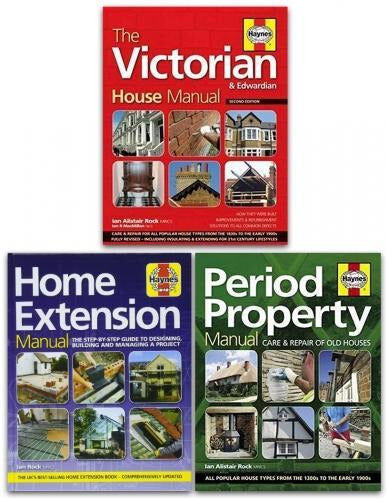
J H Haynes & Co Ltd Haynes Property Manual 3 Books Collection Set Home Extension The Victorian House Period PropertyTitles In this Set: The Victorian House Manual Home Extension Period Property The Victorian House Manual The Victorian House Manual (2nd Edition): How They Were Built, Improvements & Refurbishment, Solutions to All Common Defects Thinking of buying a Victorian or Edwardian house? Or maybe you already own one? Either way, this clearly written manual explains all you need to know about the care and repair of these classic properties. Today, many houses of this age are in need of extensive updating and maintenance, having suffered years of neglect. Some have been damaged by misguided home improvements or botched repairs using the wrong materials. Even newly refurbished properties can sometimes conceal dangerous structural alterations and shoddy build-quality. This unique manual provides detailed, expert advice, backed up with clear how to colour photographs, describing where to check for the critical danger signs and how to fix all common defects. Home ExtensionMany people are looking at ways to extend their homes rather than move house, but `getting the builders in' can be a recipe for disaster unless you really know what you are doing. Whether you plan to employ a building contractor or tackle some of the works yourself, this best-selling manual will show you how to stay firmly in control, resulting in a high-quality extension, completed on time and within budget. This new edition will include all the up-do-date information on complying with the latest Building Regs and Planning requirements, CAD design, energy-efficiency, under floor heating, bi-folds, liquid screeds, woodburning stoves and renewable energy. Period Property Britain has a wonderfully rich stock of period houses - everything from medieval cottages to Georgian townhouses and Edwardian mansions. But many of these historic properties are now at risk. Some are unwittingly damaged by well-meaning owners or incompetent builders; others suffer long-term deterioration where mortgage lenders have imposed quick-fix 'remedies'. Despite being some of the most sustainable buildings on the planet, many old houses are now being subjected to ill-advised works to upgrade thermal efficiency, resulting in the destruction of the very qualities that make them so appealing, slashing their values. Haynes have come to the rescue with this clearly written, lavishly illustrated manual explaining the correct approach to care and repair - covering the full range of traditional materials. Every old house has a story to tell, so Haynes also show how to explore your home's history and strip back modern finishes to reveal long lost original features. This comprehensive manual is essential reading whether you want to get your hands dirty or just want to understand how old houses work and how to go about employing specialist craftsmen.24,99 £*Shipping: 2,99 £Secure redirect to the provider
-
Who knows a portfolio course for retail design?
One option for a portfolio course for retail design is the Fashion Institute of Technology (FIT) in New York City. FIT offers a Retail Design Certificate program that focuses on the principles and practices of retail design, including store planning, visual merchandising, and branding. The program is designed for individuals with a background in design or related fields who are looking to develop a portfolio specifically for retail design. Additionally, many other design schools and universities offer courses or programs in retail design that can help individuals build a strong portfolio in this area. **
-
Who knows of a portfolio course for Retail Design?
One option for a portfolio course in Retail Design is the New York School of Interior Design (NYSID). They offer a Portfolio Development course specifically tailored for students interested in pursuing a career in Retail Design. This course helps students create a professional portfolio showcasing their skills and projects related to retail spaces. Additionally, institutions such as the Fashion Institute of Technology (FIT) in New York City also offer courses and workshops focused on Retail Design and portfolio development. **
-
How should a portfolio be designed for a retail design study?
When designing a portfolio for a retail design study, it is important to showcase a variety of projects that demonstrate your skills and experience in this specific field. Include examples of retail spaces you have designed, such as stores, boutiques, or pop-up shops, highlighting your creativity, attention to detail, and understanding of consumer behavior. Incorporate before-and-after images, floor plans, mood boards, and sketches to provide a comprehensive view of your design process. Additionally, make sure to include a brief description of each project, outlining your design concept, challenges faced, and solutions implemented to create successful retail environments. **
-
Can a retail salesman/retail saleswoman accept a gift?
In most retail companies, it is against company policy for retail salespeople to accept gifts from customers. This is to avoid any appearance of favoritism or bribery, and to maintain a professional and unbiased relationship with customers. Accepting gifts could also create a conflict of interest and compromise the salesperson's integrity. Therefore, it is generally best for retail salespeople to politely decline any gifts offered by customers. **
Similar search terms for Retail
-
Uplifted Finds Smart Sensing Slithering Snake Toy retail Package"Bring the ""wild"" indoors with the Smart Sensing Slithering Snake. This hightech interactive toy mimics the realistic, Sshaped movement of a real snake, instantly triggering your cat's natural hunting and pouncing instincts. Designed with advanced..."62,97 $*Shipping: 0,00 $Secure redirect to the provider
-
Econoco Grid Panel for Retail Display - Perfect Metal Grid for Any Retail Display, 2' Width x 5' Height, 3 Grids Per Carton (Black)Grid panels are the most versatile cost-effective display available to all types of retailers. Can be used on the wall, on the ceiling or free-standing on the floor singly or connected to other panels, allowing for unlimited display possibilities.103,73 $*Shipping: 0,00 $Secure redirect to the provider
-
Is retail dying?
While the retail industry is facing challenges due to the rise of e-commerce and changing consumer preferences, it is not necessarily dying. Retailers are adapting by integrating online and offline channels, enhancing the in-store experience, and focusing on personalized customer service. Successful retailers are leveraging technology and data analytics to stay competitive and meet the evolving needs of consumers. Therefore, while the retail landscape is changing, it is not disappearing entirely. **
-
How can one use Maslow's hierarchy of needs in retail to increase sales and revenue?
Maslow's hierarchy of needs can be used in retail to understand and cater to customers' different needs at various levels. Retailers can start by ensuring that their products fulfill basic physiological needs such as food, clothing, and shelter. They can then focus on providing products that satisfy higher-level needs like social belongingness, self-esteem, and self-actualization. By understanding where their customers fall on the hierarchy, retailers can tailor their marketing strategies, product offerings, and customer experiences to increase sales and revenue. This approach can help create a more personalized shopping experience that resonates with customers on a deeper level. **
-
What is retail textile?
Retail textile refers to the sale of fabrics, clothing, and other textile products directly to consumers through physical stores or online platforms. This sector includes a wide range of products such as apparel, home textiles, and accessories. Retail textile businesses often source their products from manufacturers and wholesalers, and then sell them to individual customers for personal use. The retail textile industry plays a significant role in the global economy and offers a diverse array of products to meet consumer needs and preferences. **
-
What is retail textiles?
Retail textiles refer to the sale of fabrics, clothing, and other textile products directly to consumers through physical stores or online platforms. This can include items such as clothing, bedding, towels, and curtains. Retail textiles encompass a wide range of products made from various materials like cotton, silk, wool, and synthetic fibers, catering to different consumer preferences and needs. Retail textile stores often offer a diverse selection of products, styles, and price points to appeal to a broad customer base. **
* All prices are inclusive of VAT and, if applicable, plus shipping costs. The offer information is based on the details provided by the respective shop and is updated through automated processes. Real-time updates do not occur, so deviations can occur in individual cases. ** Note: Parts of this content were created by AI.