Buy immobilieninvestors.eu ?
We are moving the project
immobilieninvestors.eu .
Are you interested in purchasing the domain
immobilieninvestors.eu ?
domain@kv-gmbh.de · 0541-91531010
Buy immobilieninvestors.eu ?
What adhesive is used for climate adhesive?
Climate adhesive typically refers to an adhesive that is specifically designed to withstand extreme temperature variations and harsh weather conditions. The adhesive used for climate adhesive is often a high-performance, weather-resistant adhesive that can maintain its bond strength and durability in both hot and cold environments. These adhesives are commonly made with specialized polymers and additives to ensure they can withstand the challenges of climate variations. Examples of adhesives used for climate adhesive include polyurethane adhesives, silicone adhesives, and epoxy adhesives. **
Was contact adhesive used instead of Styrofoam adhesive?
No, contact adhesive was not used instead of Styrofoam adhesive. The instructions clearly stated to use Styrofoam adhesive for the project. Contact adhesive is a different type of adhesive that is not suitable for bonding Styrofoam. It is important to always follow the recommended materials and instructions to ensure the best results for any project. **
Similar search terms for Adhesive
Top-Angebote
Products related to Adhesive:
-
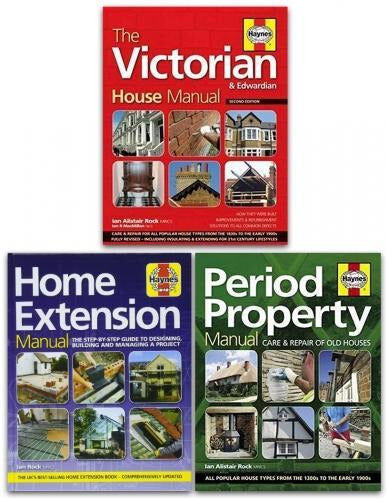
J H Haynes & Co Ltd Haynes Property Manual 3 Books Collection Set Home Extension The Victorian House Period PropertyTitles In this Set: The Victorian House Manual Home Extension Period Property The Victorian House Manual The Victorian House Manual (2nd Edition): How They Were Built, Improvements & Refurbishment, Solutions to All Common Defects Thinking of buying a Victorian or Edwardian house? Or maybe you already own one? Either way, this clearly written manual explains all you need to know about the care and repair of these classic properties. Today, many houses of this age are in need of extensive updating and maintenance, having suffered years of neglect. Some have been damaged by misguided home improvements or botched repairs using the wrong materials. Even newly refurbished properties can sometimes conceal dangerous structural alterations and shoddy build-quality. This unique manual provides detailed, expert advice, backed up with clear how to colour photographs, describing where to check for the critical danger signs and how to fix all common defects. Home ExtensionMany people are looking at ways to extend their homes rather than move house, but `getting the builders in' can be a recipe for disaster unless you really know what you are doing. Whether you plan to employ a building contractor or tackle some of the works yourself, this best-selling manual will show you how to stay firmly in control, resulting in a high-quality extension, completed on time and within budget. This new edition will include all the up-do-date information on complying with the latest Building Regs and Planning requirements, CAD design, energy-efficiency, under floor heating, bi-folds, liquid screeds, woodburning stoves and renewable energy. Period Property Britain has a wonderfully rich stock of period houses - everything from medieval cottages to Georgian townhouses and Edwardian mansions. But many of these historic properties are now at risk. Some are unwittingly damaged by well-meaning owners or incompetent builders; others suffer long-term deterioration where mortgage lenders have imposed quick-fix 'remedies'. Despite being some of the most sustainable buildings on the planet, many old houses are now being subjected to ill-advised works to upgrade thermal efficiency, resulting in the destruction of the very qualities that make them so appealing, slashing their values. Haynes have come to the rescue with this clearly written, lavishly illustrated manual explaining the correct approach to care and repair - covering the full range of traditional materials. Every old house has a story to tell, so Haynes also show how to explore your home's history and strip back modern finishes to reveal long lost original features. This comprehensive manual is essential reading whether you want to get your hands dirty or just want to understand how old houses work and how to go about employing specialist craftsmen.24,99 £*Shipping: 2,99 £Secure redirect to the provider
-
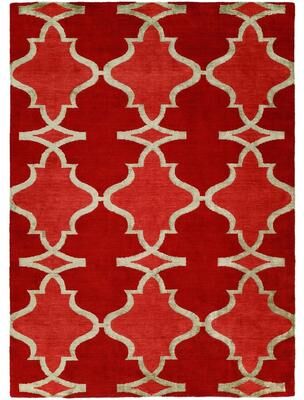
KALATY Portfolio Red Hot Handmade Area RugInvite vibrancy into your classic interior with the bold red motif of this area rug. The Handmade wool construction infuses warmth and texture into your room, and the touch of silkette adds a silky sheen.99,99 $*Shipping: 0,00 $Secure redirect to the provider
-
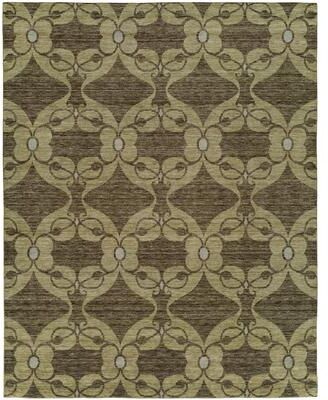
KALATY Portfolio Storm Gray HandMade Area RugWelcome guests to your home with the rich grey pattern and hand-woven design of this runner rug. Made of premium wool and Silkette, this runner is durable yet also has a lovely transitional style.86,99 $*Shipping: 0,00 $Secure redirect to the provider


-
How can one apply tile adhesive on carpet adhesive?
To apply tile adhesive on carpet adhesive, first, make sure the carpet adhesive is clean and free of any debris. Then, use a trowel to spread the tile adhesive over the carpet adhesive in a thin, even layer. Press the tiles firmly into the adhesive, making sure they are properly aligned. Allow the adhesive to dry according to the manufacturer's instructions before grouting the tiles. **
-
How can one remove adhesive residue from adhesive tape?
One can remove adhesive residue from adhesive tape by using common household items such as rubbing alcohol, vinegar, or cooking oil. Simply apply the chosen substance to the residue and let it sit for a few minutes to loosen the adhesive. Then, gently scrub the area with a cloth or sponge until the residue is removed. Repeat the process if necessary until the surface is clean. **
-
Which adhesive bra?
When choosing an adhesive bra, it is important to consider factors such as the size and shape of your breasts, the level of support and coverage you need, as well as the type of outfit you will be wearing. Some popular options include silicone adhesive bras for a natural look and feel, push-up adhesive bras for added lift, and backless adhesive bras for outfits with low-cut backs. It is recommended to read reviews and try on different styles to find the best adhesive bra that suits your needs and preferences. **
-
What is adhesive?
Adhesive is a substance that is used to stick materials together. It can come in various forms such as glue, tape, or cement, and is designed to create a strong bond between two surfaces. Adhesives are commonly used in construction, manufacturing, and everyday household applications to join materials such as wood, metal, plastic, and paper. **

How can one apply floor tile adhesive on carpet adhesive?
To apply floor tile adhesive on carpet adhesive, you will first need to remove the carpet adhesive by scraping it off the floor. Once the carpet adhesive is removed, you can then apply the floor tile adhesive according to the manufacturer's instructions. It's important to ensure that the surface is clean and free of any residue before applying the new adhesive to ensure proper adhesion of the floor tiles. Additionally, make sure to use the appropriate tools and techniques for applying the floor tile adhesive to achieve a strong bond with the subfloor. **
What is the difference between tile adhesive and flexible adhesive?
Tile adhesive is a type of adhesive used to bond tiles to a surface, such as a wall or floor. It is typically a cement-based adhesive that is mixed with water and applied to the surface before the tiles are placed. Flexible adhesive, on the other hand, is a type of adhesive that is designed to accommodate movement and flexibility in the substrate. It is often used in areas where there may be slight movement, such as on wooden floors or in areas with underfloor heating. Flexible adhesive is typically more expensive than regular tile adhesive, but it offers greater flexibility and durability. **
Top-Angebote
Products related to Adhesive:
-
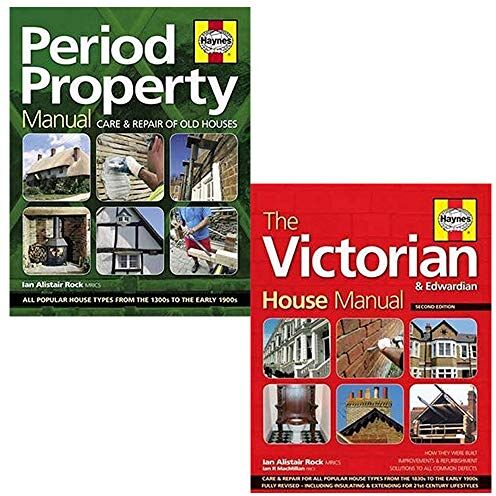
J H Haynes & Co Ltd Haynes Property Manual 2 Books Collection Set (The Victorian House, Period Property)The Victorian House Manual The Victorian House Manual (2nd Edition): How They Were Built, Improvements & Refurbishment, Solutions to All Common Defects Thinking of buying a Victorian or Edwardian house? Or maybe you already own one? Either way, this clearly written manual explains all you need to know about the care and repair of these classic properties. Today, many houses of this age are in need of extensive updating and maintenance, having suffered years of neglect. Some have been damaged by misguided home improvements or botched repairs using the wrong materials. Even newly refurbished properties can sometimes conceal dangerous structural alterations and shoddy build-quality. This unique manual provides detailed, expert advice, backed up with clear how to colour photographs, describing where to check for the critical danger signs and how to fix all common defects. Period Property Britain has a wonderfully rich stock of period houses - everything from medieval cottages to Georgian townhouses and Edwardian mansions. But many of these historic properties are now at risk. Some are unwittingly damaged by well-meaning owners or incompetent builders; others suffer long-term deterioration where mortgage lenders have imposed quick-fix 'remedies'. Despite being some of the most sustainable buildings on the planet, many old houses are now being subjected to ill-advised works to upgrade thermal efficiency, resulting in the destruction of the very qualities that make them so appealing, slashing their values. Haynes have come to the rescue with this clearly written, lavishly illustrated manual explaining the correct approach to care and repair - covering the full range of traditional materials. Every old house has a story to tell, so Haynes also show how to explore your home's history and strip back modern finishes to reveal long lost original features. This comprehensive manual is essential reading whether you want to get your hands dirty or just want to understand how old houses work and how to go about employing specialist craftsmen.19,99 £*Shipping: 2,99 £Secure redirect to the provider
-
J H Haynes & Co Ltd Haynes Property Manual 3 Books Collection Set Home Extension The Victorian House Period PropertyTitles In this Set: The Victorian House Manual Home Extension Period Property The Victorian House Manual The Victorian House Manual (2nd Edition): How They Were Built, Improvements & Refurbishment, Solutions to All Common Defects Thinking of buying a Victorian or Edwardian house? Or maybe you already own one? Either way, this clearly written manual explains all you need to know about the care and repair of these classic properties. Today, many houses of this age are in need of extensive updating and maintenance, having suffered years of neglect. Some have been damaged by misguided home improvements or botched repairs using the wrong materials. Even newly refurbished properties can sometimes conceal dangerous structural alterations and shoddy build-quality. This unique manual provides detailed, expert advice, backed up with clear how to colour photographs, describing where to check for the critical danger signs and how to fix all common defects. Home ExtensionMany people are looking at ways to extend their homes rather than move house, but `getting the builders in' can be a recipe for disaster unless you really know what you are doing. Whether you plan to employ a building contractor or tackle some of the works yourself, this best-selling manual will show you how to stay firmly in control, resulting in a high-quality extension, completed on time and within budget. This new edition will include all the up-do-date information on complying with the latest Building Regs and Planning requirements, CAD design, energy-efficiency, under floor heating, bi-folds, liquid screeds, woodburning stoves and renewable energy. Period Property Britain has a wonderfully rich stock of period houses - everything from medieval cottages to Georgian townhouses and Edwardian mansions. But many of these historic properties are now at risk. Some are unwittingly damaged by well-meaning owners or incompetent builders; others suffer long-term deterioration where mortgage lenders have imposed quick-fix 'remedies'. Despite being some of the most sustainable buildings on the planet, many old houses are now being subjected to ill-advised works to upgrade thermal efficiency, resulting in the destruction of the very qualities that make them so appealing, slashing their values. Haynes have come to the rescue with this clearly written, lavishly illustrated manual explaining the correct approach to care and repair - covering the full range of traditional materials. Every old house has a story to tell, so Haynes also show how to explore your home's history and strip back modern finishes to reveal long lost original features. This comprehensive manual is essential reading whether you want to get your hands dirty or just want to understand how old houses work and how to go about employing specialist craftsmen.24,99 £*Shipping: 2,99 £Secure redirect to the provider
-
KALATY Portfolio Red Hot Handmade Area RugInvite vibrancy into your classic interior with the bold red motif of this area rug. The Handmade wool construction infuses warmth and texture into your room, and the touch of silkette adds a silky sheen.99,99 $*Shipping: 0,00 $Secure redirect to the provider
-
What adhesive is used for climate adhesive?
Climate adhesive typically refers to an adhesive that is specifically designed to withstand extreme temperature variations and harsh weather conditions. The adhesive used for climate adhesive is often a high-performance, weather-resistant adhesive that can maintain its bond strength and durability in both hot and cold environments. These adhesives are commonly made with specialized polymers and additives to ensure they can withstand the challenges of climate variations. Examples of adhesives used for climate adhesive include polyurethane adhesives, silicone adhesives, and epoxy adhesives. **
-
Was contact adhesive used instead of Styrofoam adhesive?
No, contact adhesive was not used instead of Styrofoam adhesive. The instructions clearly stated to use Styrofoam adhesive for the project. Contact adhesive is a different type of adhesive that is not suitable for bonding Styrofoam. It is important to always follow the recommended materials and instructions to ensure the best results for any project. **
-
How can one apply tile adhesive on carpet adhesive?
To apply tile adhesive on carpet adhesive, first, make sure the carpet adhesive is clean and free of any debris. Then, use a trowel to spread the tile adhesive over the carpet adhesive in a thin, even layer. Press the tiles firmly into the adhesive, making sure they are properly aligned. Allow the adhesive to dry according to the manufacturer's instructions before grouting the tiles. **
-
How can one remove adhesive residue from adhesive tape?
One can remove adhesive residue from adhesive tape by using common household items such as rubbing alcohol, vinegar, or cooking oil. Simply apply the chosen substance to the residue and let it sit for a few minutes to loosen the adhesive. Then, gently scrub the area with a cloth or sponge until the residue is removed. Repeat the process if necessary until the surface is clean. **
Similar search terms for Adhesive
-
KALATY Portfolio Storm Gray HandMade Area RugWelcome guests to your home with the rich grey pattern and hand-woven design of this runner rug. Made of premium wool and Silkette, this runner is durable yet also has a lovely transitional style.86,99 $*Shipping: 0,00 $Secure redirect to the provider
-
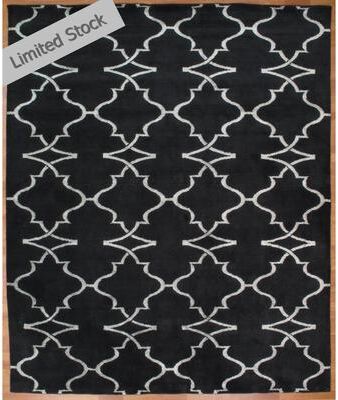
KALATY Portfolio Black Wool and Viscose Handmade Area RugSpice up light-colored flooring with this Portfolio area rug. Showcasing a geometric pattern by designer Parisa Abdollahi, this Handmade wool and viscose rug oozes casual style and fits various motifs.499,49 $*Shipping: 0,00 $Secure redirect to the provider
-
Uplift Essentials Thermoplastic Denture Reliner Adhesive Cream Thermoplastic Denture Reliner Adhesive CreamDealing with loose, slipping dentures can make eating your favorite foods or speaking in public feel incredibly stressful and uncomfortable. This commercialgrade denture adhesive holding denture cream completely eliminates the anxiety of shifting...55,97 $*Shipping: 0,00 $Secure redirect to the provider
-
Which adhesive bra?
When choosing an adhesive bra, it is important to consider factors such as the size and shape of your breasts, the level of support and coverage you need, as well as the type of outfit you will be wearing. Some popular options include silicone adhesive bras for a natural look and feel, push-up adhesive bras for added lift, and backless adhesive bras for outfits with low-cut backs. It is recommended to read reviews and try on different styles to find the best adhesive bra that suits your needs and preferences. **
-
What is adhesive?
Adhesive is a substance that is used to stick materials together. It can come in various forms such as glue, tape, or cement, and is designed to create a strong bond between two surfaces. Adhesives are commonly used in construction, manufacturing, and everyday household applications to join materials such as wood, metal, plastic, and paper. **
-
How can one apply floor tile adhesive on carpet adhesive?
To apply floor tile adhesive on carpet adhesive, you will first need to remove the carpet adhesive by scraping it off the floor. Once the carpet adhesive is removed, you can then apply the floor tile adhesive according to the manufacturer's instructions. It's important to ensure that the surface is clean and free of any residue before applying the new adhesive to ensure proper adhesion of the floor tiles. Additionally, make sure to use the appropriate tools and techniques for applying the floor tile adhesive to achieve a strong bond with the subfloor. **
-
What is the difference between tile adhesive and flexible adhesive?
Tile adhesive is a type of adhesive used to bond tiles to a surface, such as a wall or floor. It is typically a cement-based adhesive that is mixed with water and applied to the surface before the tiles are placed. Flexible adhesive, on the other hand, is a type of adhesive that is designed to accommodate movement and flexibility in the substrate. It is often used in areas where there may be slight movement, such as on wooden floors or in areas with underfloor heating. Flexible adhesive is typically more expensive than regular tile adhesive, but it offers greater flexibility and durability. **
* All prices are inclusive of VAT and, if applicable, plus shipping costs. The offer information is based on the details provided by the respective shop and is updated through automated processes. Real-time updates do not occur, so deviations can occur in individual cases. ** Note: Parts of this content were created by AI.